ChiropracticPhysiotherapySports MassageFind usTeamPricingContactInsuranceGift CardBook Now

Soft Tissue Therapy · City of London · Moorgate

Race week, and the days after it.

600+ reviews·5.0 on Google · 4.9 on Trustpilot

Pre- and post-event soft tissue therapy — City of London.

Treatment timed around an event rather than dropped into it: a lighter, mobility-focused session in the days before, and recovery work once it is done. Our STA and SMA-registered therapists have worked with marathon runners, Hyrox and CrossFit athletes, triathletes and team sports — and know that race week is the wrong time to try something new.

Appointments Available Today

600+reviews · 5.0 on Google · 4.9 on Trustpilot
1 min walkFrom Moorgate Tube
4Appointments Available Today
13.5Yrs Avg. Chiro Experience

Event Preparation & Recovery

What pre- and post-event treatment is for

Pre- and post-event soft tissue work is treatment scheduled around a competition: a lighter, familiar session in the days beforehand to keep range of movement and comfort where you want them, and a recovery-focused session afterwards.

The two sessions do different jobs. Beforehand, the aim is to leave you feeling loose and moving well, without introducing any soreness — which means less depth, less novelty and less time than a normal treatment. Afterwards, the aim is comfort and a return of range of movement, and to check that nothing you pushed through on the day needs assessing.

The single most important rule is that race week is not the time for deep, unfamiliar work. A hard session two days out can leave you sore on the start line, and a technique your body has never had before is an unnecessary risk when there is a fixed date. If we have not treated you before and your event is imminent, we will deliberately keep the first session conservative.

Reviewed by Emma Daniells BSc(Hons) MSc DC ICSSD — Co-Founder • GCC Registered • BCA Member · Last reviewed

City of London · Event Preparation

Fitting it around the working week

Most of our event work is booked by people racing at weekends around a full week — the London Marathon, Hyrox, a triathlon, a padel or running club fixture. We open at 7:30am and run to 7pm Monday to Friday, which puts a Thursday pre-event slot and a Monday or Tuesday recovery slot inside a normal working day rather than instead of one.

Being one minute from Moorgate matters more than it sounds for this. A 30-minute recovery session is realistic in a lunch hour; a cross-London trip the week of a race is not.

What it covers

When to book around an event

  • Race week: easing muscular tightness without introducing new soreness
  • Loosening off restrictions picked up in the final hard training block
  • A short, stimulating session on the morning of an event
  • Afterwards: easing widespread soreness and helping range of movement return
  • Getting a niggle looked at before it becomes the reason you stop mid-race
  • Planning treatment around the taper and the first week back in training
💡

If something is actually injured

A niggle that is focal, one-sided and getting worse is not something to manage with a pre-event massage. Say so when you book — an assessment with one of our chiropractors or physiotherapists is a better use of the week, even when the answer is not the one you want before a race.

Event Timing

How treatment is timed around an event

The timing matters as much as the treatment. Broadly: deep work finishes well before the event, race week stays light and familiar, event day is brief, and the real recovery work happens once the acute soreness has peaked.

1

Seven to ten days before — the last deep session

If you want substantial soft tissue work, this is the window for it. Far enough out that any post-treatment soreness has fully cleared, close enough that the benefit carries into the event.

2

Race week — light, familiar, mobility-focused

A shorter session at reduced depth, working only on areas we have treated before. Flushing work and assisted stretching rather than deep trigger point release. You should leave feeling looser, not worked over.

3

Event day — brief and stimulating

Where it is available: five to fifteen minutes, faster-paced, aimed at warming the tissue and raising readiness rather than releasing anything. Never the day to address a long-standing restriction.

4

Twenty-four to seventy-two hours after — recovery

The most useful post-event slot. Lighter work aimed at comfort and range of movement while soreness is at its peak, plus a check over anything that flared during the event. Deep work waits until the soreness has settled.

5

The week after — back to normal training

A return to regular treatment depth alongside a graded return to training. This is where anything the event exposed gets addressed properly, and where the next block gets planned so the same thing does not recur.

Getting Here

Pre/post-event muscle preparation near Moorgate?
We're one minute away

118A London Wall, EC2Y 5JA — one minute from Moorgate station. Open 7:30 am to 7:00 pm, Monday to Friday, to fit around even the most demanding schedule.

Getting Here — Under 10 Minutes

Opening Hours

Structured for City workers — before, during and after the working day

Monday – Friday7:30 am – 7:00 pm
Saturday & SundayClosed
Online booking24 hrs / 365 days
16,174
Patients Treated at Bodymotion Chiropractic
Back pain, neck pain, sciatica and sports injuries
600+
Reviews
5.0 on Google · 4.9 on Trustpilot
20
Years Established
118A London Wall, EC2 since 2006
13.5
Yrs Avg. Chiro Experience

Race Week

Common race-week mistakes

A deep massage two days out

The most frequent one. Deep tissue work can leave a muscle mildly sore and temporarily less able to produce force for a day or two — fine in a training block, poorly timed 48 hours before a start line. Schedule depth for the week before instead.

Trying a new therapist or technique in race week

Novelty is the risk, not competence. Anything your body has not had before carries a small chance of an unexpected response, and race week is the worst time to find out. If you are new to us and racing in days, we will keep it deliberately light.

Skipping recovery entirely

The post-event session is the one most often dropped, and it is arguably the more valuable of the two — both for comfort and because it is when niggles that were masked by adrenaline on the day actually get found.

Pushing through a new niggle

Something focal and one-sided that appeared in the last hard session is not a tightness to be massaged out. It needs assessing, and it is better to know before the event than at 30km.

No plan for the week after

Going straight back to full training, or stopping entirely for a fortnight. Both tend to produce problems. A graded return, planned before the event, avoids the two most common post-race injuries.

Clinically reviewed by Emma Daniells BSc(Hons) MSc DC ICSSD — Co-Founder • GCC Registered • BCA Member · Bodymotion Chiropractic · Last reviewed

⚠ EMERGENCY — ATTEND A&E IMMEDIATELY (call 999 if severe)

  • Chest pain, tightness or pressure during or after exercise
  • Fainting or collapsing during or after an event
  • Palpitations, or a racing or irregular heartbeat that doesn’t settle with rest
  • Severe breathlessness that doesn’t settle with rest
  • Confusion, slurred speech, hot dry skin or no longer sweating, which are signs of heatstroke
  • A head injury with confusion, vomiting, drowsiness or loss of consciousness
  • Dark brown or cola-coloured urine after the event
  • Sudden severe pain, swelling and redness in one calf, especially after a long event or a long journey home. This can be a blood clot (DVT), and it is an emergency if you are also breathless or have chest pain.

See your GP urgently

  • Muscle pain or swelling that is getting worse after 2–3 days rather than easing
  • Pain in one specific spot that started suddenly during the event, possibly with a pop or snap
  • Bone pain that is worse with impact or at night, which may be a stress fracture
  • Dizziness or unusual tiredness that continues after you have rested, eaten and rehydrated
  • Any concussion symptoms that persist after a head knock, such as headache, poor concentration or feeling foggy

Your Sports Massage Therapists

STO & SMA-registered soft tissue therapy,
tailored to your recovery in the City of London

Our sports massage therapists are members of the Sports Therapy Organisation (STO) or the Sports Massage Association (SMA), hold professional indemnity insurance and follow their association’s code of conduct. They work with marathon runners, rugby, football and basketball players, CrossFit athletes and Ironman triathletes. Many of our patients are City workers balancing a demanding job with serious training, and plenty simply come to ease the tension of long days at work.

Also Treating Pre/post-event muscle preparation

Supporting disciplines

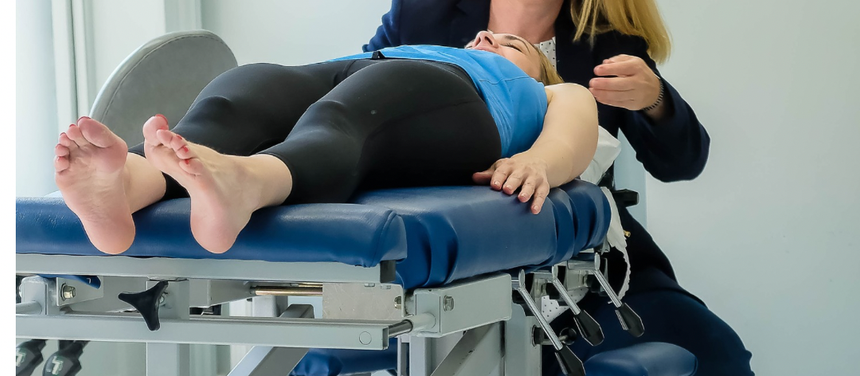
A chiropractor gently treats a patient lying on a treatment bench in a bright modern clinic
GCC Registered • Members of the BCA

Chiropractic

Our GCC-registered chiropractors bring an average of over 13 years’ experience each, with training spanning the UK and a Danish spinal hospital, postgraduate study in biomechanics and sports chiropractic, and an expert reviewer for Bupa. Your first appointment lasts 50–55 minutes, with a full assessment, a clear explanation and hands-on treatment in the same visit, at a time that fits around your City workday.

  • Back pain, neck pain, sciatica and slipped disc assessment
  • Headaches arising from the neck and desk-related neck and back pain
  • Shoulder, hip and knee pain, and minor sports injuries
  • Spinal manipulation & mobilisation, soft tissue therapy, dry needling and Graston (IASTM).
  • Rehabilitation and exercise programmes, co-managed with our physiotherapist
About chiropractic at Bodymotion →
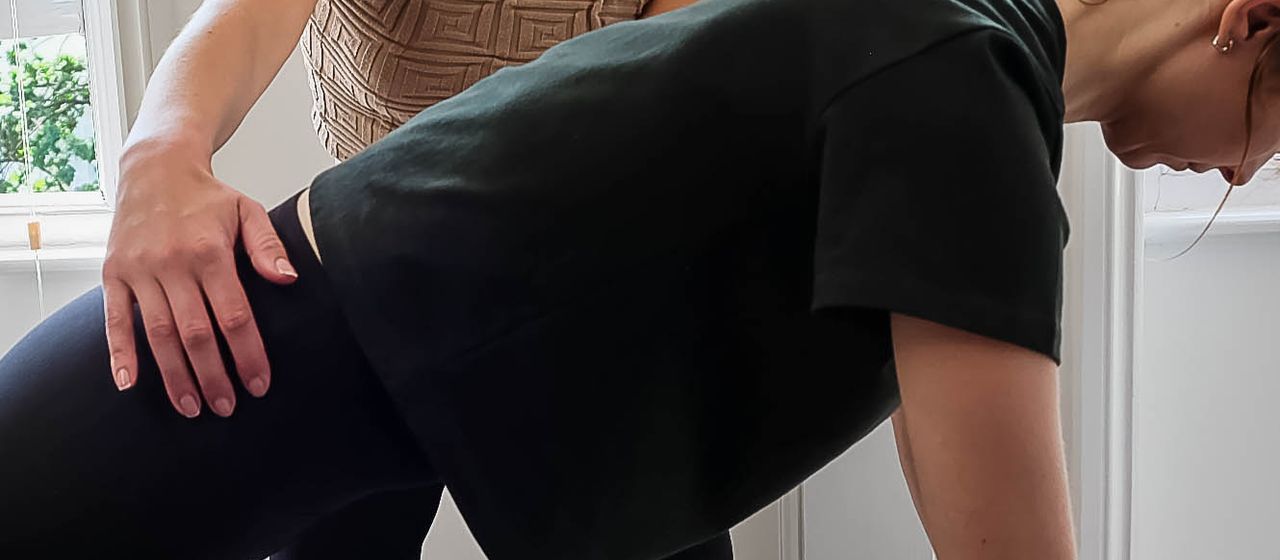
A physiotherapist guides a patient through a strengthening exercise on a Pilates reformer
HCPC Registered

Physiotherapy & Clinical Pilates

Our HCPC-registered physiotherapist trained at Monash University in Melbourne and holds postgraduate certifications in Clinical Pilates and dry needling. She combines hands-on treatment with a personalised exercise programme, from Mat and Reformer Pilates to strength work, built around your goals. You can book with her directly, or she’ll work alongside our chiropractors when a joined-up approach suits you best.

  • Back pain, neck pain and sports injuries
  • Clinical Mat and Reformer Pilates for core strength and stability
  • Injury and functional rehabilitation
  • Return to sport programmes
  • Ongoing exercise programmes to help you stay active
About physiotherapy & clinical pilates at Bodymotion →

Frequently Asked Questions

Pre/post-event muscle preparation questions answered

How close to an event can I have a massage?

A light, familiar session is generally fine up to two or three days before, and a short stimulating session on the day itself. Deep work is better scheduled at least seven days out. If we have not treated you before, we will keep anything inside race week conservative regardless.

How soon after a marathon should I book?

Twenty-four to seventy-two hours afterwards is the usual sweet spot for a lighter recovery session. Immediately post-race, tissue is often too tender for treatment to be useful. Deeper work is better left until the acute soreness has settled, usually around the four to seven day mark.

Will a pre-event massage make me faster?

There is no good evidence that it improves performance, and we would rather say so. What it can do is leave you more comfortable, moving through a fuller range and less distracted by tightness on the start line. That is worth having on its own terms.

What is different about a pre-event session?

It is shorter, lighter, faster-paced and restricted to areas we have worked on before. A normal session might spend twenty minutes releasing one stubborn area; a pre-event session deliberately does not, because the aim is to change nothing you have not already adapted to.

Can you fit it around a working week?

Yes — that is most of what we do. We're open 7:30am to 7pm Monday to Friday at 118A London Wall, one minute from Moorgate, so a pre-event slot late in the week and a recovery slot early the next fit either side of a working day.

Where is Bodymotion located?

118A London Wall, London EC2Y 5JA in the City of London — one minute's walk from Moorgate station (Northern, Circle, Hammersmith & City and Metropolitan lines). Open Monday to Friday, 7:30am to 7pm.

Event coming up? Book the week before, not the day before.

A 50–55 minute assessment, a clear diagnosis and a treatment plan with honest expectations. 118A London Wall, one minute from Moorgate. Open 7:30am–7pm, Monday to Friday.

Book Now 020 7374 2272Call Now