ChiropracticPhysiotherapySports MassageFind usTeamPricingContactInsuranceGift CardBook Now

Soft Tissue Therapy · City of London · Moorgate

Sore after training? Recover well, train again sooner.

600+ reviews·5.0 on Google · 4.9 on Trustpilot

Sports massage and recovery work — City of London.

Delayed onset muscle soreness is normal, self-limiting and not a sign that anything is damaged. Soft tissue therapy makes the days afterwards more comfortable and helps range of movement return — and, just as usefully, tells you when what you are feeling is not DOMS at all but a strain that needs assessing.

Appointments Available Today

600+reviews · 5.0 on Google · 4.9 on Trustpilot
1 min walkFrom Moorgate Tube
4Appointments Available Today
13.5Yrs Avg. Chiro Experience

DOMS, Recovery & Training Load

What is DOMS — and when is it something else?

Delayed onset muscle soreness (DOMS) is the stiffness and tenderness that appears 12 to 24 hours after unfamiliar or heavier-than-usual exercise, peaks somewhere around 24 to 72 hours, and settles within a few days.

DOMS follows eccentric loading in particular — the lowering half of a movement, running downhill, the first heavy session of a new block. It is a normal part of how muscle adapts to a new demand, and it reliably reduces as the same exercise is repeated. It is not a measure of how effective a session was, and its absence does not mean you did not train hard enough.

The clinically useful part is telling DOMS from a muscle strain, because they need opposite responses. DOMS is diffuse across a whole muscle group, usually symmetrical where the exercise was, worst around 48 hours, and improving each day after that. A strain has a moment of onset you can name, sits at one point, is typically on one side, and does not follow that improving curve. Persistent soreness that is getting worse rather than better after three days is worth having looked at.

Reviewed by Emma Daniells BSc(Hons) MSc DC ICSSD — Co-Founder • GCC Registered • BCA Member · Last reviewed

City of London · Recovery

Training hard around a full working week

Most of the people we see training seriously are doing it at 6am or after 7pm, around a job that does not flex. That compresses recovery into the part of the day with the least sleep and the most travel, and it is the reason soreness so often outstays its welcome — not the sessions themselves, but what is missing between them.

It also produces the stop-start shape that causes trouble: a consistent block, then a fortnight lost to deadlines or travel, then a return at the previous intensity. That return is where heavy DOMS shows up, and where it most often turns out to be a strain instead.

What to expect

How DOMS presents

  • Diffuse aching and stiffness across a whole muscle group rather than at one point
  • Onset 12 to 24 hours after training, peaking around 24 to 72 hours
  • Tenderness to touch, and pain through movement rather than at rest
  • A temporary drop in strength and a reduced range of movement
  • Symptoms on both sides, where the exercise was done on both sides
  • Steady day-on-day improvement — the clearest difference from an injury
  • Worst on standing up after sitting still, easing with gentle movement
💡

When it is not DOMS

Pain that started at a single identifiable moment, sits at one point rather than across the muscle, is on one side only, or is worse rather than better after 72 hours is more likely a strain — and should be assessed rather than trained through.

Soft Tissue Therapy & Recovery

What a recovery session involves

A recovery-focused session aims to reduce the soreness you are carrying, restore range of movement and get you back to full training without a setback. It also acts as a screen: a therapist working through the muscle group is well placed to spot the focal, one-sided pain that is a strain rather than soreness.

1

Assessment — soreness or strain?

Where the pain is, whether it is diffuse or focal, whether both sides are affected, and how it has changed day to day. This decides whether the session is recovery work or the start of treating an injury.

2

Soft tissue work for comfort and range

Treatment pitched to what a sore muscle will tolerate — lighter and broader than a deep tissue session. Massage has a modest, real effect on perceived soreness and range of movement; it does not accelerate the underlying repair, and we will not claim otherwise.

3

Assisted stretching and mobility

Guided movement through the range that soreness has temporarily limited, which usually feels better immediately and makes the next session more productive.

4

Load and recovery planning

A look at the week that produced the soreness — how quickly volume went up, what the sleep and fuelling looked like, how the sessions were spaced. Most recurrent heavy DOMS is a scheduling problem rather than a tissue problem.

Getting Here

DOMS & post-exercise recovery near Moorgate?
We're one minute away

118A London Wall, EC2Y 5JA — one minute from Moorgate station. Open 7:30 am to 7:00 pm, Monday to Friday, to fit around even the most demanding schedule.

Getting Here — Under 10 Minutes

Opening Hours

Structured for City workers — before, during and after the working day

Monday – Friday7:30 am – 7:00 pm
Saturday & SundayClosed
Online booking24 hrs / 365 days
16,174
Patients Treated at Bodymotion Chiropractic
Back pain, neck pain, sciatica and sports injuries
600+
Reviews
5.0 on Google · 4.9 on Trustpilot
20
Years Established
118A London Wall, EC2 since 2006
13.5
Yrs Avg. Chiro Experience

Causes

What produces heavy soreness?

Eccentric loading

The lowering phase of a lift, running downhill, decelerating and changing direction. Eccentric work produces markedly more soreness than concentric work at the same effort, which is why a hilly route or a slow-tempo session leaves you sorer than the distance alone suggests.

An unfamiliar movement

Soreness tracks novelty as much as intensity. A first Hyrox session, a new class, a different sport — the same muscles asked to work in an unfamiliar pattern. It reduces sharply on repetition, usually within two or three exposures.

Returning after time off

Two weeks away and then straight back to the previous programme. This is the most common cause of soreness severe enough to interfere with the following week, and the most common point at which a strain gets mistaken for DOMS.

Too little recovery between sessions

Hard sessions stacked back to back leave soreness overlapping rather than clearing. The cumulative version feels like permanent low-grade DOMS, and it usually resolves with spacing rather than treatment.

Under-fuelling and short sleep

Both slow recovery and both are common in people training around long working days. Neither is exotic and neither is fixed by a massage, but they are frequently the reason soreness lingers.

Clinically reviewed by Emma Daniells BSc(Hons) MSc DC ICSSD — Co-Founder • GCC Registered • BCA Member · Bodymotion Chiropractic · Last reviewed

⚠ EMERGENCY — ATTEND A&E IMMEDIATELY

  • Dark brown, red or cola-coloured urine after exercise, especially with severe muscle pain, weakness or swelling. This can be a sign of rhabdomyolysis, where damaged muscle affects the kidneys.
  • Passing very little or no urine after hard exercise
  • Severe, worsening pain in a muscle that feels tight, hard or swollen, particularly in the calf, shin or forearm, and isn’t eased by rest or painkillers
  • Numbness, pins and needles or weakness in the limb below a painful, swollen muscle

See your GP urgently

  • Soreness that hasn’t improved after 7 days, or is getting worse rather than better
  • Pain in one specific spot rather than general muscle ache, or pain that started suddenly during exercise rather than a day or two later. This may be a muscle tear, not DOMS.
  • Significant swelling or bruising
  • Muscle pain with fever or feeling generally unwell
  • Muscle aches since starting a new medicine, especially a statin

Your Sports Massage Therapists

STO & SMA-registered soft tissue therapy,
tailored to your recovery in the City of London

Our sports massage therapists are members of the Sports Therapy Organisation (STO) or the Sports Massage Association (SMA), hold professional indemnity insurance and follow their association’s code of conduct. They work with marathon runners, rugby, football and basketball players, CrossFit athletes and Ironman triathletes. Many of our patients are City workers balancing a demanding job with serious training, and plenty simply come to ease the tension of long days at work.

Also Treating DOMS & post-exercise recovery

Supporting disciplines

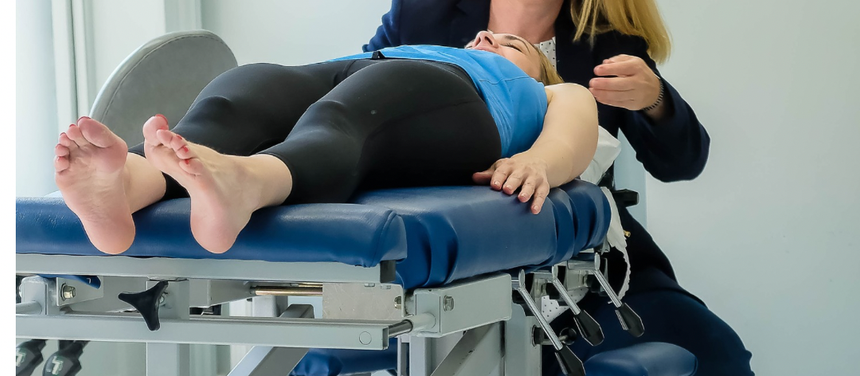
A chiropractor gently treats a patient lying on a treatment bench in a bright modern clinic
GCC Registered • Members of the BCA

Chiropractic

Our GCC-registered chiropractors bring an average of over 13 years’ experience each, with training spanning the UK and a Danish spinal hospital, postgraduate study in biomechanics and sports chiropractic, and an expert reviewer for Bupa. Your first appointment lasts 50–55 minutes, with a full assessment, a clear explanation and hands-on treatment in the same visit, at a time that fits around your City workday.

  • Back pain, neck pain, sciatica and slipped disc assessment
  • Headaches arising from the neck and desk-related neck and back pain
  • Shoulder, hip and knee pain, and minor sports injuries
  • Spinal manipulation & mobilisation, soft tissue therapy, dry needling and Graston (IASTM).
  • Rehabilitation and exercise programmes, co-managed with our physiotherapist
About chiropractic at Bodymotion →
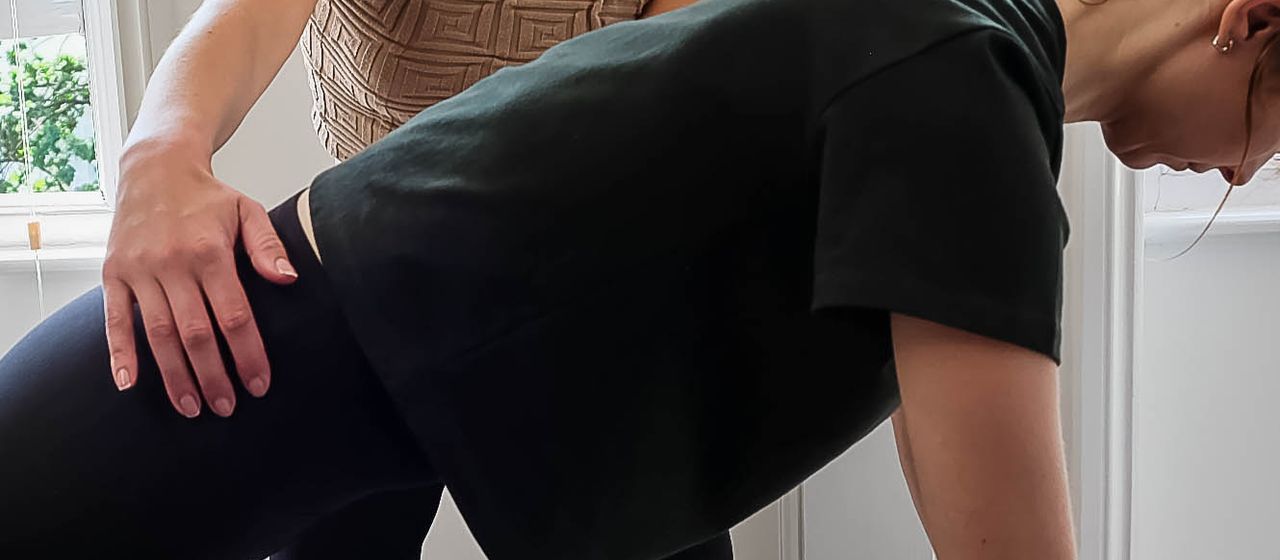
A physiotherapist guides a patient through a strengthening exercise on a Pilates reformer
HCPC Registered

Physiotherapy & Clinical Pilates

Our HCPC-registered physiotherapist trained at Monash University in Melbourne and holds postgraduate certifications in Clinical Pilates and dry needling. She combines hands-on treatment with a personalised exercise programme, from Mat and Reformer Pilates to strength work, built around your goals. You can book with her directly, or she’ll work alongside our chiropractors when a joined-up approach suits you best.

  • Back pain, neck pain and sports injuries
  • Clinical Mat and Reformer Pilates for core strength and stability
  • Injury and functional rehabilitation
  • Return to sport programmes
  • Ongoing exercise programmes to help you stay active
About physiotherapy & clinical pilates at Bodymotion →

Patient Reviews

What our DOMS & post-exercise recovery patients say

Sports Massage · Teodora Veverita
★★★★★

I visited Bodymotion last week for a sports massage. Teodora was absolutely fantastic. I have been marathon training and had all the usual soreness. Teodora's treatment was perfect, and extremely effective. She is clearly experienced and checked in regularly that the pressure was okay. Highly recommend.

Tom K. · Google Review

Event Preparation & Recovery
★★★★★

I can only recommend this place, especially Teodora Veverita. I was having problems with my Achilles tendon 5 weeks before a marathon and Teodora really helped me recover from it so that I could successfully complete the marathon.

Nora E. · Google Review

Individual patient experience. Timeframes and outcomes vary between patients and are not guaranteed.

Frequently Asked Questions

DOMS & post-exercise recovery questions answered

Is DOMS a sign of a good workout?

No. Soreness reflects how unfamiliar the loading was, not how effective the session was. Well-trained athletes get very little DOMS from their regular programme and are still progressing. Chasing soreness is a good way to accumulate fatigue without accumulating fitness.

Does massage help DOMS?

Modestly, and honestly. The evidence supports a small reduction in perceived soreness and an improvement in range of movement and comfort. It does not appear to speed up the underlying muscle repair. Most people find it worth having; it is worth knowing what it is doing.

Should I train again while I am sore?

Light movement usually helps and is well tolerated — easy cardio, mobility work, a walk. Heavy or high-intensity work on a significantly sore muscle group is better postponed by a day, both for the quality of the session and because sore muscles are less able to protect the joints they cross.

How long should DOMS last?

Typically two to three days, occasionally up to five after something genuinely unfamiliar. The direction matters more than the duration: soreness should be improving each day. Anything still worsening after 72 hours is worth having looked at.

When should I get post-exercise soreness checked?

If it started at a single moment during a session, if it sits at one point or on one side only, if it is worse rather than better after three days, or if there is swelling, bruising or a loss of function. Very dark urine or severe, disproportionate soreness after extreme exertion needs same-day medical attention rather than an appointment with us.

Where is Bodymotion located?

118A London Wall, London EC2Y 5JA in the City of London — one minute's walk from Moorgate station (Northern, Circle, Hammersmith & City and Metropolitan lines). Open Monday to Friday, 7:30am to 7pm.

Sore for days after every session? Book a recovery slot.

A 50–55 minute assessment, a clear diagnosis and a treatment plan with honest expectations. 118A London Wall, one minute from Moorgate. Open 7:30am–7pm, Monday to Friday.

Book Now 020 7374 2272Call Now