ChiropracticPhysiotherapySports MassageFind usTeamPricingContactInsuranceGift CardBook Now
woman experiencing lower back pain holding her lower back whilst standing on an outdoor pathway

Chiropractic Treatment · Slipped Disc · City of London

Back pain, sciatica & slipped disc support in the City of London — conservative care, first.

600+ reviews·5.0 on Google · 4.9 on Trustpilot

GCC-registered chiropractors, all BCA members, with an average of 13.5 years clinical experience, helping City of London professionals with back pain, sciatica and nerve symptoms often linked to a slipped, herniated or bulging disc- with thorough assessment on day one.

Appointments Available Today

Insurance accepted
600+reviews · 5.0 on Google · 4.9 on Trustpilot
1 min walkFrom Moorgate Tube
4Appointments Available Today
13.5Yrs Avg. Chiro Experience

About slipped discs

What is a slipped disc?

A slipped disc is a common cause of sciatica and can also cause back or neck pain. In the City of London, we often see it in desk-based professionals, where long hours sitting, hybrid commuting and early-morning gym sessions place sustained load on the spine. Symptoms range from localised back or neck pain to shooting or burning pain, numbness or weakness in the arm or leg, and can disrupt sleep, work and exercise.

A slipped disc, also called a herniated, prolapsed or bulging disc, occurs when the inner material of an intervertebral disc pushes through a tear in its outer casing. This can irritate nearby nerve roots and cause local and referred pain. Patients often describe it as a “trapped nerve” or “pinched nerve” in the neck or lower back. The lumbar spine (lower back) and cervical spine (neck) are the most commonly affected areas.

How severe the symptoms are depends on which nerve root is affected and how irritated it is. For a full clinical explanation of disc anatomy and injury mechanisms, see our herniated disc guide

Reviewed by Emma Daniells BSc(Hons) MSc DC ICSSD — Co-Founder • GCC Registered • BCA Member · Last reviewed

Patient Case Study
PatientFemale, 42, marketing manager
Duration8 weeks
ConditionDisc-Related Back Pain
ClinicianEmma Daniells

The presenting problem

Lumbar disc bulge with sciatica (L5 nerve root). Persistent lower back pain radiating into the leg had built up gradually over several months of long desk hours and a long-haul flight, and had started to disrupt sleep. She had not visited a chiropractor before and had been managing with over-the-counter pain relief alone.

Treatment approach

Examination identified a lumbar disc bulge irritating the L5 nerve root. Emma Daniells combined spinal manipulation with dry needling and a progressive home exercise programme targeting core stability, reviewing and adjusting the plan at every visit.

Session 3

Marked reduction in leg pain intensity

Week 4

Sleeping through the night without discomfort

Week 6

Returned to regular exercise without symptom flare

Week 8

Discharged with a self-management plan

Outcome

Reported significant, lasting improvement in back and leg symptoms and returned to full activity without further intervention. Individual results vary and this outcome cannot be guaranteed for every patient.

⏱

Same-day and next-day appointments

We hold daily priority slots from 7:30 am to 7:00 pm — structured around the City working day.

🏥

Network of orthopaedic surgeons & specialists

Strong relationships with leading orthopaedic surgeons and sports medicine physicians. When you need a specialist, we refer quickly.

🔬

Private MRI referrals — where required

If clinical assessment indicates imaging is needed, we can refer you directly for a private MRI scan — typically available within the same week.

📋

NICE guidance recommends a combination of exercise and manual therapy — including spinal manipulation — as first-line treatment for lower back pain, including disc-related presentations. Surgery and long-term medication use are not recommended as first-line interventions.

City Workers & Slipped Discs

Why City of London professionals get disc problems

The working patterns of City professionals can make disc problems more likely: sustained sitting, desk posture, commuting stress and the tendency to delay seeking help until pain becomes disabling.

Prolonged sitting and hybrid work: Hours of sustained sitting can increase intradiscal pressure compared to standing or walking. Corporate hot-desking, home offices with inadequate chairs and long Tube commutes compound this. Hybrid work patterns alternate between ergonomic office setups and poorly supported home environments, creating inconsistent spinal loading across the week that can accumulate over months.

Stress, tension and delayed treatment: City working culture often encourages pushing through pain. By the time some patients reach us, what began as manageable back pain has progressed to nerve involvement and referred leg symptoms. Getting assessed early means the right care can start sooner, rather than waiting until the pain becomes unmanageable.

Longer commutes and hybrid working: Hybrid working has moved many City professionals further from the office, and longer commutes, whether sitting on a train or packed into a carriage, now add flexion load to the lumbar spine before the working day has even begun. Slouching during a 45-minute or hour-long commute loads the posterior disc in much the same way as a desk chair, meaning patients may be sitting in a flexed lumbar position for 10 to 12 hours or more each day without realising it. This cumulative load is one of the most common patterns we see in new disc patients.

Many of our patients also train hard: early morning gym sessions, weightlifting or running before work are a regular part of City life. The disc holds the most fluid after a night’s rest, and explosive or loaded movements first thing may carry a higher injury risk. We see a distinct pattern of disc injuries occurring at the gym first thing in the morning, often in patients who train consistently and well, but whose spinal loading from commuting and desk work has left the disc less resilient than they appreciate.

Hours build around City professionals

Open from 7:30am, at lunchtimes and until 7pm, so you rarely need to take time off work to look after your spine.

Chiropractic, physiotherapy & sports massage working together

Where disc recovery needs more than chiropractic alone, our physiotherapy and sports massage teams work alongside your chiropractor, giving you coordinated care without referral delays.

Insurance billing direct

Registered with BUPA, AXA Health, Aviva, Cigna, WPA and Allianz. For most policies we bill your insurer directly, so there’s no upfront payment.

One minute from Moorgate

118A London Wall, EC2Y 5JA, a short walk from Moorgate, Elizabeth Line, Bank, Liverpool Street, St Paul's and Barbican.

Private MRI available without GP referral

If imaging would help clarify your diagnosis, we arrange private MRI scans directly, typically available within days, not weeks.

What our own booking data tells us: Analysis of over 1,450 new patient enquiries between 2020 and 2026 found that around 1 in 10 specifically described disc, sciatica, trapped-nerve or pinched-nerve symptoms before ever setting foot in the clinic, with sudden triggers as varied as a golf swing, a sneeze, weightlifting, hockey and a snowboarding fall.

Symptoms

Symptoms of a slipped disc

Disc symptoms vary significantly depending on the spinal level affected (cervical, thoracic or lumbar) and whether nerve roots are involved. The outer 1-3 mm of the disc is pain sensitive; the severity of symptoms depends on the degree of mechanical pressure and the chemical inflammatory response to the affected nerve root.

  • Sharp, localised back or neck pain: often severe at onset
  • Pain radiating into the arm (cervical disc) or leg (lumbar disc): described as shooting, burning or electric in character
  • Numbness or tingling in the arm, hand, leg or foot: following a dermatomal (nerve root) pattern
  • Muscle weakness in the arm or leg on the affected side
  • Sciatica: the most common cause is lumbar disc herniation at L4/L5 or L5/S1
  • Pain worsening with sitting, coughing or sneezing (increased intradiscal pressure)
  • Pain relieved by lying down or finding a specific position
  • Stiffness on waking, often improving with gentle movement
💡

💡An honest note on imaging

MRI findings frequently do not correlate with symptoms: 64% of people with no back pain have disc abnormalities on MRI (Jensen & Modic, 1994). We treat the patient, not the scan. Where imaging would genuinely change management, we arrange private referrals promptly.

What to do

What to do immediately

Ice, not heat

In the first 48 hours, ice (wrapped in a cloth) applied for 10–15 minutes every 45 minutes reduces inflammation. Heat may feel comforting but can increase inflammation and prolong recovery in the acute phase.
🛏

Find a comfortable position

Lying on your back with a pillow under your knees, or on your side with a pillow between your knees, reduces spinal load. Avoid staying in any single position for more than 20–30 minutes, gentle movement helps.

Over-the-counter pain relief

Anti-inflammatories (ibuprofen) can provide short-term relief. Consult a pharmacist if you have any contraindications. Note that pain relief masks symptoms; it does not address the underlying disc problem.

The sooner you receive an accurate diagnosis, the sooner effective treatment can begin. Call us today →

Our Approach

Our approach to back pain & sciatica

Our approach is centred on chiropractic care for the back pain, sciatica and nerve-related symptoms commonly linked to a slipped disc. In line with NICE guidance (NG59), we combine manual therapy with structured exercise rehabilitation, recommended as part of first-line care for low back pain and sciatica with a realistic, individually tailored plan from day one.

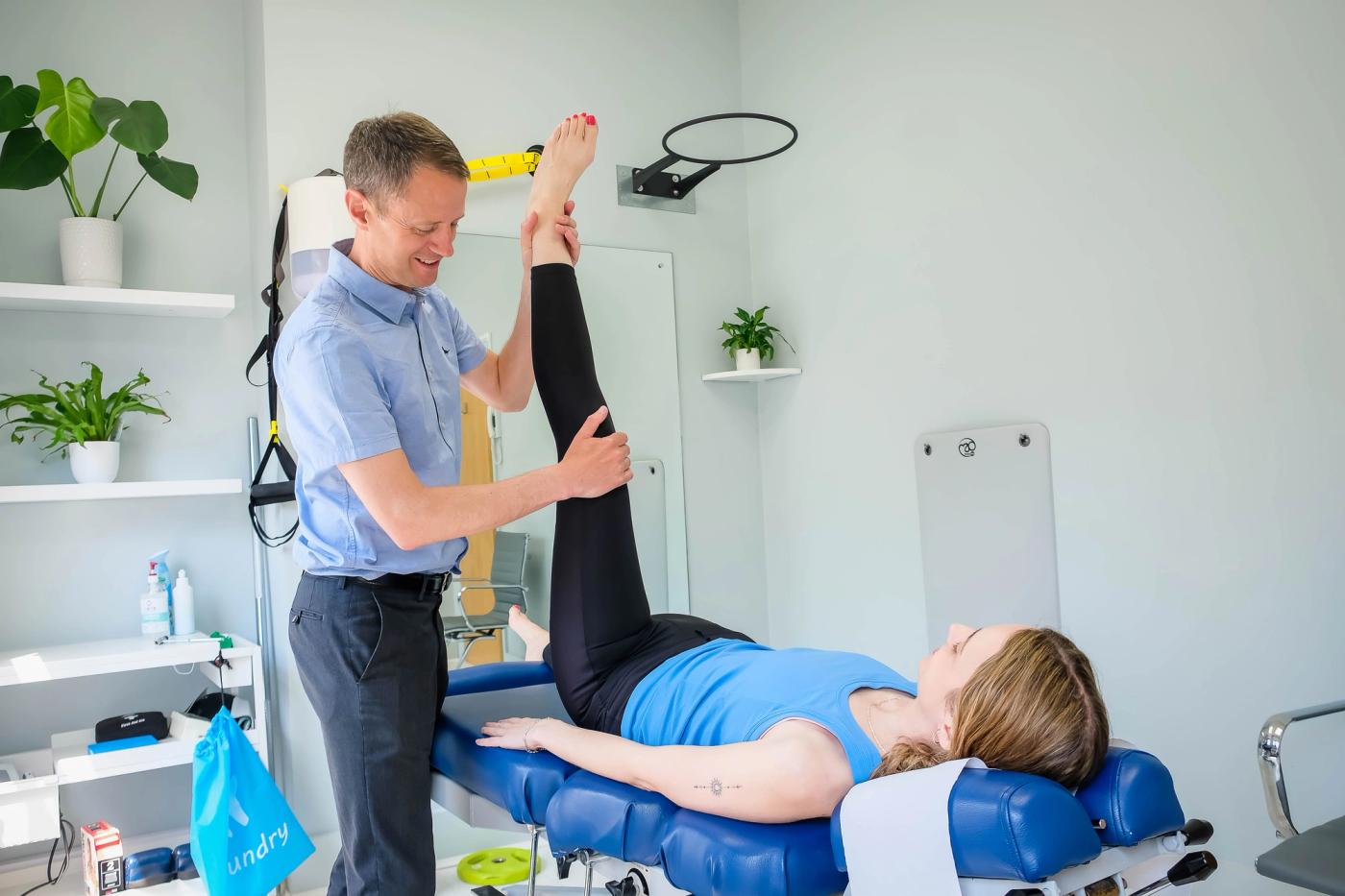
A chiropractor gently raises a patients leg while she lies on a treatment table demonstrating a straight leg raise to assess neural tension
🔍

Precise Diagnosis including Review of Any Existing Imaging (50–55 min)

Full case history, orthopaedic and neurological examination on your first visit. We review any MRI, X-ray or CT imaging you already have. Where private imaging would benefit diagnosis or treatment planning, we arrange referrals directly through Oryon Imaging or similar partners.

🙌

Spinal Manipulation & Specific Disc Techniques

Carefully selected manipulation and mobilisation techniques aim to restore movement in the affected spinal segments and ease pressure on surrounding nerve roots. Technique selection is based on your clinical presentation.

↕️

Spinal Decompression & Traction

For acute herniations where high-velocity manipulation is not yet appropriate, gentle decompression and traction techniques aim to create space around the affected disc and nerve root. Often used in the early stages of an acute presentation to help ease intradiscal pressure and nerve irritation.

⚡

Neural Mobilisation

Where a nerve root has become sensitised or adherent to surrounding tissues, neural mobilisation techniques gently restore normal nerve movement, helping to ease referred pain, numbness and tingling into the arm or leg.

💪

Rehabilitation & Long-Term Prevention

Once acute symptoms are controlled, we build a structured rehabilitation programme, strengthening the muscles that protect the affected disc and correcting the postural and movement patterns that contributed to the problem. This is an important part of reducing the risk of recurrence. Our physiotherapy team offers Clinical Pilates and functional rehabilitation where additional support is needed.

🏥

Surgical Referral Where Genuinely Needed

We have close working relationships with orthopaedic surgeons and Sports Medicine Physicians at the Fortius Clinic. If we believe your case needs surgical assessment, or it hasn’t responded adequately to conservative care, we will refer you promptly to the right person. We never delay a referral when it’s in your interest.

Why Bodymotion

Why City professionals choose Bodymotion for disc treatment

There are a number of chiropractic clinics in the City of London. What sets Bodymotion apart is two decades of caring for one particular kind of patient: the City professional whose working life, commute and training habits need a tailored approach.

You see the same practitioner at every appointment. We assess you and start your care on day one, tell you honestly how many sessions to expect, and don’t believe in over-treating. Our rehabilitation is built around getting you back to full training, not just back to your desk.

If you need imaging, we arrange private MRI referrals directly, typically within the same week. If you need surgical assessment, we refer promptly to our colleagues at the Fortius Clinic. We have never seen chiropractic as a replacement for medicine, but for most back pain and sciatica, conservative care is the recommended first step.

20 Years in the City of London
Treating disc-related conditions in the City of London
13.5Years' average clinical experience across our team of GCC registered chiropractors
16,174managed
Disc problems, sciatica and back pain across two decades
600+5 star and 4.9 star reviews
Google and Trustpilot

NICE NG59 compliant: Our treatment approach — manual therapy combined with structured exercise rehabilitation — is exactly what NICE guidelines recommend as first-line care for disc-related back pain and sciatica.

Getting Here

Disc-Related Back Pain near Moorgate?
We're one minute away

118A London Wall, EC2Y 5JA — one minute from Moorgate station. Open 7:30 am to 7:00 pm, Monday to Friday, to fit around even the most demanding schedule.

Getting Here — Under 10 Minutes

Opening Hours

Structured for City workers — before, during and after the working day

Monday – Friday7:30 am – 7:00 pm
Saturday & SundayClosed
Online booking24 hrs / 365 days
16,174
Patients Treated at Bodymotion Chiropractic
Back pain, neck pain, sciatica and sports injuries
600+
Reviews
5.0 on Google · 4.9 on Trustpilot
20
Years Established
118A London Wall, EC2 since 2006
13.5
Yrs Avg. Chiro Experience

What Causes a Slipped Disc

Risk factors and mechanisms of injury

Disc injuries rarely occur from a single event. They develop over time through a combination of age-related changes, mechanical loading, lifestyle factors and accumulated microtrauma.

Repetitive Flexion & Compressive Loading

Repeated forward bending, especially under load, can gradually fatigue the outer fibres of the disc. Bending over a laptop, lifting a heavy bag or rounding the lower back in a poorly set-up chair all add to this strain over time, often without any obvious warning signs.

Age-Related Disc Dehydration

From the mid-twenties onwards, the centre of the disc gradually loses water, reducing its ability to absorb shock. The outer layer becomes stiffer and more vulnerable to tearing under loads that younger discs cope with easily. Between 30 and 40, a disc is still hydrated enough to bulge but may accumulate strain faster.

Sedentary Occupations & Prolonged Sitting

Sitting puts more pressure on the lumbar discs than standing or walking. Long periods at a desk, particularly without good lumbar support or regular movement breaks, place sustained load on the lower back and may increase the risk of a disc problem developing.

Postural & Biomechanical Factors

Poor posture and weak core stability can shift load unevenly across the spinal segments, so some discs take more strain than others. Over time, habits like slouching, twisting to one side at your desk or always carrying a bag on the same shoulder can add to this imbalance.

Obesity & Smoking

Excess body weight increases the compressive load on the spinal discs throughout the day. The disc has very little direct blood supply and relies on diffusion for its nutrients. Smoking reduces blood flow to the surrounding tissues, which may speed up degeneration and reduce the disc’s capacity to recover from everyday strain.

Family History

Genetic factors influence disc composition, the strength of the outer layer and the speed of age-related change. A family history of disc problems is a recognised risk factor. This doesn’t mean a disc injury is inevitable, but it makes early attention to posture, movement quality and core strength particularly worthwhile.

Clinically reviewed by Emma Daniells BSc(Hons) MSc DC ICSSD — Co-Founder • GCC Registered • BCA Member · Bodymotion Chiropractic · Last reviewed

Types of Disc Problem

Understanding your disc condition

Your care plan will depend on the spinal level involved, the severity and what we find at your assessment.

Disc Bulge

The disc extends beyond its normal boundary but the outer casing (annulus fibrosus) stays intact, a little like a flat tyre pressing against the road. It often causes no symptoms at all, or local pain and stiffness. The associated back pain often responds well to conservative care. Studies show disc bulges are found on MRI in over 50% of people with no symptoms at all.

Herniated / Prolapsed Disc

A tear in the outer casing allows the inner nucleus to push outward. This can compress or irritate nearby nerve roots, causing local pain and referred symptoms into the arm or leg. It’s one of the most common disc problems we see, and the associated back pain and sciatica may respond to the same NICE-recommended conservative care (manual therapy plus rehabilitation) used for back pain and sciatica generally.

Extruded Disc

The nucleus has pushed fully through the outer casing and may press directly on a nerve root, often causing significant nerve symptoms. Extruded discs can be managed conservatively, but they need careful monitoring, and we will refer promptly where surgical assessment is warranted.

Disc Degeneration

Age-related loss of disc height and hydration that can cause ongoing back or neck pain. Chiropractic cannot reverse degeneration, but it may help ease stiffness and pain, helping you stay active and maintain your quality of life.

When to Seek Urgent Help

Seek urgent medical attention (A&E) if you experience

Emergency — attend A&E immediately

  • Loss of bladder or bowel control alongside back or leg pain possible cauda equina syndrome, a surgical emergency
  • Numbness or altered sensation in the saddle area (inner thighs, perineum or genitals)
  • Rapidly progressive weakness in both legs simultaneously
  • back or leg pain following significant trauma (fall, road accident, impact)

See your GP urgently

  • Back pain with unexplained weight loss, fever or a known history of cancer

Recovery Timelines

How long does disc-related back pain
take to recover?

Recovery varies depending on which disc is affected, whether a nerve root is involved and how soon care begins. These ranges reflect what’s generally reported in the research, not a guarantee. We’ll give you a personal estimate at your first appointment.

2–6 weeks

Acute disc strain or minor bulge

A minor disc bulge with no nerve involvement is often associated with back pain that many patients find eases with conservative care. Some notice a difference within the first few sessions, though this varies by individual.

6–12 weeks

Herniated disc with nerve root irritation

When a disc is compressing or irritating a nerve root, back pain and sciatica-type symptoms generally take longer to ease because neural tissue heals more slowly than muscle. Many patients report continued improvement over. this period, though recovery is individual.

6–16 weeks

Disc herniation with sciatica

Sciatica associated with a lumbar disc herniation at L4/L5 or L5/S1 can take longer to settle, commonly over this sort of timeframe with conservative care but every case is different. Leg symptoms often improve before local back. pain fully settles.

We will tell you at your first appointment

After examination and diagnosis, your chiropractor gives you a realistic recovery estimate — including how many sessions to expect. We do not over-treat.

Book Today

Imaging & Investigations

When do you need an MRI for a slipped disc?

Most slipped disc presentations do not require imaging to begin effective treatment. A thorough orthopaedic and neurological examination is sufficient to diagnose the likely level and nature of disc involvement in the majority of cases. Imaging findings also need to be interpreted carefully, MRI abnormalities are extremely common in people with no symptoms at all, and a scan result alone does not determine the appropriate treatment.

Where MRI or other imaging would genuinely change management or where a more serious cause needs to be ruled out, Bodymotion Chiropractic can arrange private MRI referrals directly, typically within the same week, through Oryon Imaging. We can also review any existing imaging you already have at your first appointment.

NICE guidance (NG59) does not recommend routine imaging for low back pain or disc-related presentations. Imaging is advised only where it would change management or where there are red flag symptoms suggesting serious pathology.

When imaging is NOT needed

✕

Acute or recent onset back or neck pain without neurological signs: a clinical examination is sufficient to begin treatment

✕

Mild or moderate referred symptoms (arm or leg pain) that are responding well to conservative treatment: imaging would not change management

✕

A previous MRI showing disc changes: imaging findings do not always correlate with symptoms, and a scan from months or years ago may not reflect your current presentation

When imaging is indicated

✓

Progressive neurological deficit: worsening weakness, increasing numbness or loss of reflexes that is not stabilising with treatment

✓

Failure to respond to 6–8 weeks of appropriate conservative management: where surgical assessment may be warranted

✓

Suspected cauda equina syndrome: any loss of bladder or bowel control requires urgent A&E assessment, not an MRI referral through us

✓

Pre-surgical planning: where a spinal surgeon requires imaging to assess which level to operate on and the nature of the herniation

✓

Red flag symptoms alongside disc pain: unexplained weight loss, fever, night pain unrelieved by any position, or a history of cancer

Your Chiropractors

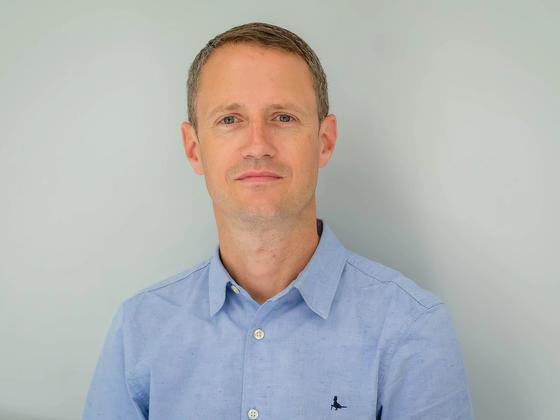
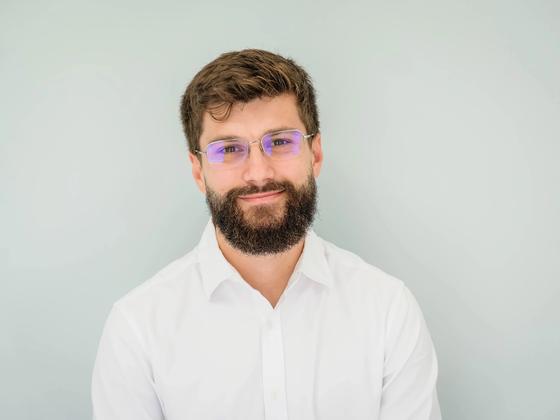
BCA members & GCC-registered chiropractors,
trained across multiple techniques

Every chiropractor at Bodymotion is GCC-registered and a member of the BCA, with extensive clinical experience in disc-related back pain. You'll see the same practitioner at every appointment — no rotating locums.

Also Treating Disc-Related Back Pain

Supporting disciplines

A physiotherapist guides a patient through a strengthening exercise on a Pilates reformer
HCPC Registered

Physiotherapy & Clinical Pilates

Our HCPC-registered physiotherapist trained at Monash University in Melbourne and holds postgraduate certifications in Clinical Pilates and dry needling. She combines hands-on treatment with a personalised exercise programme, from Mat and Reformer Pilates to strength work, built around your goals. You can book with her directly, or she’ll work alongside our chiropractors when a joined-up approach suits you best.

  • Back pain, neck pain and sports injuries
  • Clinical Mat and Reformer Pilates for core strength and stability
  • Injury and functional rehabilitation
  • Return to sport programmes
  • Ongoing exercise programmes to help you stay active
About physiotherapy & clinical pilates at Bodymotion →
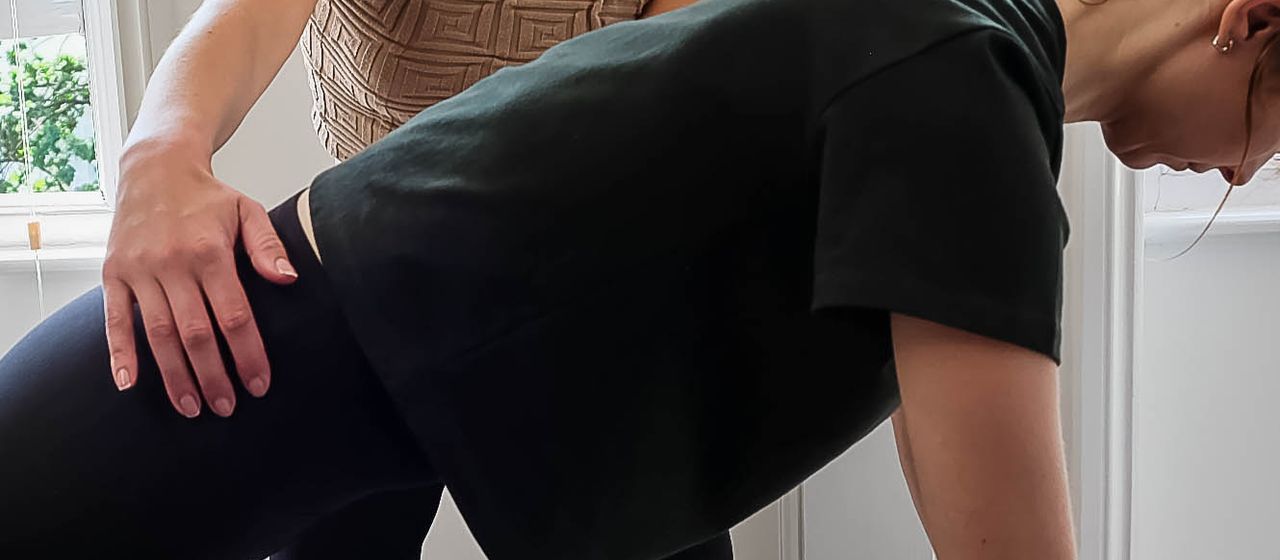
A sports massage therapist applies firm pressure to a patient's mid back during a massage treatment
Members of the STO & SMA

Sports Massage

Our experienced sports massage therapists work with everyone from City desk workers to marathon runners, Ironman triathletes, CrossFit athletes and rugby and football players. They take a clinical approach to easing the muscle tension that builds up from training, desk work and the daily commute. Book a session on its own, or alongside treatment with our chiropractors and physiotherapist, at a time that fits around your City workday.

  • Sports massage and deep tissue treatment
  • Myofascial release, trigger point therapy and assisted stretching
  • Easing muscle tension from training, long desk days and the commute
  • Pre-event preparation and injury risk reduction
  • Post-event massage
  • Regular maintenance sessions, with 6-for-5 packages
About sports massage at Bodymotion →

Patient Reviews

What our disc-related back pain patients say

Chiropractic
★★★★★

I came to Emma with a severe disc herniation in my L4/L5 which caused my posture to be slanted and a swollen left hip muscle. With only 10 sessions Emma has fixed my posture and my muscle tension, relieving me from ongoing pain and discomfort. She has been very understanding and very careful with me every session, taking into account my weekly pros and cons. Wouldn't have been where I am without her amazing help!

Pinar E. · Google Review

Neck pain · Ben Glenister
★★★★★

My experience of being treated by Ben over several years is very positive. During that time he has treated me for a herniated disc in my neck, tennis elbow, hip pain and other conditions as well as providing ongoing ‘maintenance’ as I have evolved my fitness regime with an emphasis on resistance training. His treatments have been effective and I have always found him to be knowledgeable providing helpful guidance for facilitating recovery and minimising the risk of further injury.

Simon D. · Google Review

Trapped Nerve · Chiropractic
★★★★★

After experiencing upper back pain radiating toward my left elbow, along with numbness in my left hand, I decided to visit a chiropractor. I booked a session with Ben, who was extremely knowledgeable and took the time to explain the treatment plan in a clear and easy-to-understand way. The relief after the first session was noticeable, and the improvement has continued with subsequent treatments. I've been very impressed with the results and have already recommended Ben to family and friends.

V. Kanbi · Google Review

Disc-Related Back Pain · Ben Glenister
★★★★★

Knowledgeable, friendly, life changing! During my time at Bodymotion I've been under the care of Ben, and I cannot thank him enough for the freedom he has given to me through his therapy. He worked with me to get my life back into order and have the ability to move pain free once again. I came into the practice on crutches unable to walk without a limp and severe pain in my glutes/lower back area and sciatica - this chronic injury was debilitating all areas of my life for too long. After seeing Ben in a matter of 2 months my life has shifted completely. Every session I feel looser, relaxed and the lasting effects have been better strength and endurance. Life changing! Thanks again to Dr. Glenister, the work he does and knowledgeable advice he gives is tailored to you to help reach your personal goals no matter how big or small.

Mala B. · Google Review

Individual patient experience. Timeframes and outcomes vary between patients and are not guaranteed.

Frequently Asked Questions

Disc-Related Back Pain questions answered

Can a chiropractor help with slipped disc pain?

Chiropractic can help with the back pain and sciatica that often accompany a slipped disc. NICE recommends a combination of exercise and manual therapy as part of first-line conservative management for low back pain and sciatica, before surgery or long-term medication are considered. We will always refer promptly if your case requires surgical assessment.

Do I need surgery for a slipped disc?

For many people, surgery is not the first step. NICE guidelines (NG59) recommend conservative care — including manual therapy and supervised exercise — as the first-line approach for back pain and sciatica before surgery is considered. Surgery is typically only assessed where conservative management has not produced adequate improvement, or where there is progressive neurological deficit such as worsening leg weakness. At Bodymotion, our chiropractors and physiotherapist deliver the combination NICE recommends — spinal manipulation, mobilisation and structured exercise rehabilitation — under one roof in the City of London. We will always refer promptly to our surgical colleagues at the Fortius Clinic when that is the right course of action.

How long does back pain from a slipped disc usually take to settle?

Many disc-related back problems settle over a period of weeks to a few months, but it varies a lot from person to person. At Bodymotion we assess you carefully, help you keep moving with back pain, and work alongside our network of orthopaedic and sports medicine consultants. We'll refer you for a scan or a specialist opinion if your symptoms need it.

I've already tried physiotherapy or osteopathy without success — can chiropractic still help?

Often, yes. It's a pattern we see regularly: patients who have already been through several rounds of physiotherapy, osteopathy or even other chiropractors without lasting relief, sometimes over several years. A fresh, thorough assessment can identify factors that weren't previously addressed, and NICE guidance (NG59) supports trying a structured course of manual therapy and exercise rehabilitation before concluding that surgery is the only remaining option. We'll always be honest with you if we don't think we can help further.

How do I know if it’s sciatica, a trapped nerve, or a slipped disc?

Honestly — you often can’t be certain until you’ve been examined, and that’s completely normal. Sciatica is a symptom (pain travelling down the leg), while a slipped, herniated or bulging disc is frequently the underlying cause — and a trapped or pinched nerve is usually how patients describe the sensation of either. You don’t need to self-diagnose before booking; a thorough examination at your first appointment will clarify exactly what’s happening.

Can you arrange a private MRI scan for a slipped disc in London?

Yes, when it's needed. Most disc-related back pain can be assessed without a scan at first. If your symptoms aren't improving, you have leg weakness, or surgery is being considered, Bodymotion can refer you through our network of orthopaedic and sports medicine consultants in London. If you have private health insurance, scans are often covered once your insurer authorises them.

Should I keep working and commuting with a slipped disc?

Most people can, with adjustments. Avoid sitting for long stretches, heavy lifting, and bending and twisting under load while symptoms are high. Stand for calls, take short walks, and travel outside rush hour if crowded trains are painful. Gentle movement usually helps more than bed rest. At Bodymotion we'll give you a plan for your working day and build you back up gradually.

How much does treatment for a slipped disc cost, and what about a scan?

At Bodymotion, a first appointment for back pain from a slipped or herniated disc is £99 for 50–55 minutes, including a full examination and treatment for the back pain on the same visit. Follow-ups are £78 for 30 minutes. If you need an MRI or a consultant opinion, we'll explain the options and costs before referring you [check typical costs]. With private health insurance, both treatment and scans are usually covered once authorised.

Slipped disc holding you back? See a chiropractor today.

Same-day and next-day appointments at 118A London Wall. Open 7:30am – 7pm Monday to Friday — structured around the City working day.

Book Now 020 7374 2272Call Now