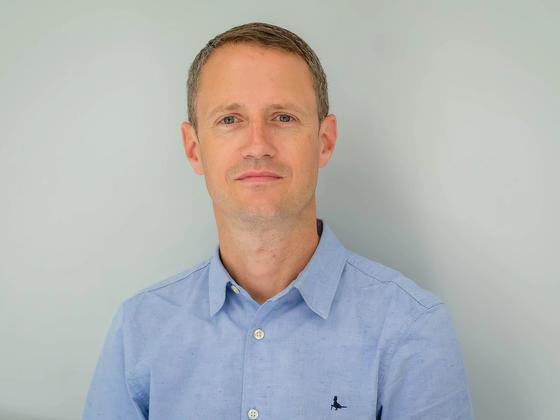
I booked a session with Jack Finney at Bodymotion two days after a gym injury; I had a fall while squatting 60kg and hurt my neck and back. The morning before my appointment, I was crying from the pain as it was very hard to walk. The morning after my appointment, I felt 95% better. I don't know how he did it, but he did it! Jack took the time to explain what had happened to me in a way that was easy to understand; he was kind, patient, and respectful. I appreciate that he also shared some stretches for me to do between our appointments and some exercises for me to do after our follow-up session the week after. So grateful for his help and expertise.

Chiropractor · London Bridge · City of London
Chiropractor near London Bridge: two stops on the Northern line
Bodymotion Chiropractic is at 118A London Wall, EC2Y 5JA, two stops on the Northern line from London Bridge to Moorgate, then a 1 minute walk. It’s also a 15 minute walk if you’d prefer. Open from 7:30am, before work, at lunch, or after.
Appointments Available Today
Getting Here from London Bridge Station
How to find us from London Bridge station
The quickest way from London Bridge (Jubilee, Northern & National Rail) is two stops on Northern line to Moorgate, then a 1 minute walk to Bodymotion Chiropractic at 118A London Wall, EC2Y 5JA. Walking the whole way takes about 15 minutes or a 7 minute bike ride, good options if you’d rather stretch your legs after a long train journey.
- Exit London Bridge station and head north across London Bridge itself
- Continue straight onto King William Street as you enter the City
- Continue onto Princes Street, which becomes Moorgate, keep going north for around 5 minutes
- At the London Wall junction turn left, Bodymotion Chiropractic is on your right, between Rosslyn Coffee and Fox Wine Bar, ground floor, blue sign.
We are on London Wall between Rosslyn Coffee and Fox Wine Bar, both visible from the street. If you reach Fox Wine Bar you have gone one door too far. The blue Bodymotion Chiropractic sign is visible from the pavement.
We’d recommend the tube for most patients here: the Jubilee or Northern line runs one stop from London Bridge to Moorgate in around 4 minutes, leaving just a 1 minute walk to the clinic. It’s the easiest option if your knee is stiff, and often quicker than walking anyway.
Cycling? Santander Cycles docking stations are around London Bridge station and on Moorfields in front of Metro Bank, under 2 minutes from Bodymotion Chiropractic. Check docking stations
Opening Hours
Walking distance
From Bodymotion Chiropractic
Knee Pain Treatment near London Bridge · Chiropractic & Physiotherapy
That ache around your kneecap when you stand up isn't random
If your knee aches while you’re sitting, then feels stiff for those first few steps once you get up, that’s a really common pattern. One common contributor is tight quads: sitting with your knee bent for a long stretch can shorten the muscles at the front of your thigh, which pulls on the kneecap and increases the load on the joint beneath it. A long train journey with your leg stuck in one position has much the same effect as a long film in a cramped seat.
If you commute through London Bridge, your journey is often longer than most. Many of our patients travel in from Kent, Surrey or Sussex, often sitting the whole way with barely enough legroom to straighten a knee. For some, knee stiffness or early arthritic change is layered on top of years of five-a-side, running or skiing. We’ve been helping patients with knee pain and stiffness since 2006. Your first appointment includes a full assessment to find what’s behind your symptoms and hands-on treatment in the same session, and you’ll leave with a clear, realistic plan. If physiotherapy-led rehab would suit you better, our physiotherapist works in the same clinic.
20 years treating City workers
Bodymotion Chiropractic has been in the City of London since 2006.
50–55 minute first appointments
Longer than standard. Full diagnosis and treatment begin at the same session.
GCC -registered chiropractors
All practitioners registered with the UK statutory chiropractic regulator.
Bupa, AXA Health, WPA, Allianz, Cigna Global, Aviva and Health cash plans
We bill six of the seven directly, with Health cash plans accepted — no upfront costs, no forms to submit.
600+ reviews
478 Google reviews · 147 Trustpilot reviews · 16,174+ patients treated.
Why London Bridge Commuters Get This
What we typically find at first appointment.
These are among the most common causes of knee pain and stiffness we see in patients commuting through London Bridge. Most people have more than one contributing factor, which is why a thorough assessment at your first appointment matters far more than generic advice.
Prolonged Sitting with a Bent Knee
Sitting for a long period with your knee bent, whether on a train, at a desk or in a cinema seat, shortens the quads at the front of your thigh and increases the pressure between your kneecap and the groove it sits in. For most people this settles quickly once they stand up and move, but for some it develops into a genuine ache during sitting and real stiffness for the first few steps afterwards, which is the mechanical starting point for patellofemoral pain.
Navigating the Station Itself
London Bridge is one of the more complex stations to move through, with several levels and long stretches of stairs and escalators between the National Rail concourse and the Underground platforms. For a knee that is already aching from the journey, stairs and load-bearing turns while rushing for a connection are often what actually tips things over, rather than the train itself.
Longer Commutes, Older Joints
A longer journey means more cumulative time each day with the knee under load, and this often overlaps with an age group where the cartilage behind the kneecap, or in the knee joint more broadly, has already started to show some early wear. The combination tends to produce more persistent stiffness than either factor would on its own.
A Fall or Old Trauma to the Kneecap
Many patients don’t connect their current knee pain to an old injury: a fall directly onto the kneecap, whether off a bike, on ice, or during sport years earlier, can damage the cartilage behind it and leave the joint more sensitive to exactly the kind of sustained pressure a long commute produces. If you can remember a specific knock or fall to the front of your knee, even years ago, it’s worth mentioning at your first appointment.
What Happens at Your First Appointment
A full assessment and treatment, at your first appointment
Many of the patients we see from London Bridge have moved out of London as their families have grown, and now face a longer commute. Often they’ve already tried painkillers, stretching or just pushing through before coming to us. At your first appointment, we take a different approach.
- 1
Full case history, 50 to 55 minutes
We take a thorough history of your pain, your commute, your sporting background and your daily activity. For London Bridge patients this typically means asking about journey length, standing versus sitting, and any history of sport or old knee injuries, the combination of factors usually driving the presentation.
- 2
Examination and diagnosis
We assess knee alignment, patellar tracking, hip and quad strength and joint function, including specific tests to distinguish patellofemoral pain from early osteoarthritis or another cause. You leave knowing exactly what is driving your symptoms.
- 3
Treatment begins the same day
Depending on findings, this may include joint mobilisation, soft tissue release, and where appropriate, referral for a structured strengthening programme with our in-house physiotherapist. Treatment is included in the first appointment fee, no separate charge.
- 4
Clear plan and realistic timeline
You leave with a clear diagnosis, a realistic treatment plan and honest expectations, including whether physiotherapy-led strengthening is likely to form part of your recovery. For longer-standing knee presentations, a durable result usually takes more than manual treatment alone.
- 5
6 to 10 sessions for most knee stiffness and patellofemoral presentations
Depends on how long symptoms have been present and your response to treatment. You get a clear estimate at your first appointment.
- 6
We work closely with physiotherapy for knee conditions
Patellofemoral pain and early knee osteoarthritis often respond best to a combination of chiropractic and targeted strengthening work, rather than manual therapy alone. We tell you clearly at the first appointment if this applies to you, and coordinate directly with our in-house physiotherapist, since building real strength around the joint is often what makes the lasting difference.
We always do what is right for you — not just what is chiropractic
If your sports injuries presentation is better suited to physiotherapy or soft tissue therapy, we will tell you at the first appointment and refer accordingly. We also have a multidisciplinary team under one roof, so co-management between a chiropractor, physiotherapist or soft tissue therapist is coordinated for you where it would get you a better outcome.
We refer when it is appropriate to do so
If your sports injuries presentation requires imaging, a specialist opinion or is not appropriate for chiropractic care, we tell you at the first appointment and refer accordingly. We have established relationships with imaging providers and can arrange rapid MRI access where indicated.
Patient Reviews
What patients near London Bridge say
600+ reviews · 5.0 on Google · 4.9 on Trustpilot. From patients treated for sports injuries in the City of London.
I visited Bodymotion last week for a sports massage. Teodora was absolutely fantastic. I have been marathon training and had all the usual soreness. Teodora's treatment was perfect, and extremely effective. She is clearly experienced and checked in regularly that the pressure was okay. Highly recommend.
I can only recommend this place, especially Teodora Veverita. I was having problems with my Achilles tendon 5 weeks before a marathon and Teodora really helped me recover from it so that I could successfully complete the marathon.
Your Chiropractors
BCA members & GCC-registered chiropractors,
trained across multiple techniques
Every chiropractor at Bodymotion is GCC-registered and a member of the BCA, with extensive clinical experience in sports injuries. You'll see the same practitioner at every appointment — no rotating locums.

Emma Daniells
Emma is an experienced General Chiropractic Council (GCC) registered chiropractor and the co-founder of Bodymotion Chiropractic in the City of London. Throughout her 20 year clinical career, she has maintained a comprehensive approach to musculoskeletal health, with a particular interest in neck pain, headaches, and Sciatica.
View profile →
Ben Glenister
Ben is a highly experienced General Chiropractic Council (GCC) registered chiropractor and the co-founder of Bodymotion Chiropractic in the City of London. With a career spanning over two decades, he has a particular interest in back and hip pain, biomechanics and exercise-based rehabilitation, building on his postgraduate diploma in biomechanics.
View profile →
Jack Finney
Jack is an experienced General Chiropractic Council (GCC) registered chiropractor practising in the City of London. Throughout his career, he has focused on back and neck pain, shoulder pain, hip and knee pain and sports injuries. Jack has also completed additional CPD in jaw biomechanics.
View profile →
Lars Ipsen
Lars is an experienced General Chiropractic Council (GCC) registered chiropractor practising in the City of London. Throughout his career, he has focused on postural issues affecting office workers, chronic neck and back pain and sports injuries.
View profile →Frequently Asked Questions
Sports injuries near London Bridge — questions answered
Is there a chiropractor near London Bridge?
Yes. Bodymotion Chiropractic is two stops from London Bridge on the Northern line to Moorgate, then a one-minute walk to 118A London Wall, EC2Y 5JA. It’s about 10 minutes door to door, or an 8-minute cycle across the river. We’re open 7:30am to 7pm, Monday to Friday, so you can come in before or after your train. Book online 24/7 or call 020 7374 2272.
Can a chiropractor help with knee pain?
Chiropractors can help with joint pain, including knee pain linked to osteoarthritis, alongside exercise and the other treatments your GP may recommend. At your first visit we assess how your knee, hip and lower back work together. If physiotherapy-led rehab would suit you better, our physiotherapist works in the same clinic, so you can move between the two easily.
What’s the best way to commute with knee pain?
For most people with knee pain, walking at a comfortable pace and cycling in a low gear on a well-fitted bike are fine, and gentle movement often helps. The things that tend to aggravate a sore knee are lots of stairs, standing for long periods on crowded trains, and rushing for connections. Use lifts and escalators at London Bridge and Bank, travel outside rush hour if you can, and get a seat for longer journeys. At Bodymotion, two Northern line stops from London Bridge, we’ll give you practical advice for your commute alongside treatment.
Can I use Bupa or AXA to see a chiropractor near London Bridge?
Yes. Bodymotion's chiropractors, two Northern line stops from London Bridge, are registered with Bupa, AXA Health, WPA, Allianz, Cigna Global and Aviva, and we bill them directly, so there's nothing to pay upfront. Get an authorisation number from your insurer before your first visit. See how to use your insurance.
Will a chiropractor just refer me to a physiotherapist for a knee problem?
Not automatically. At Bodymotion we assess your knee first, along with your hip, ankle and back, and recommend the approach that suits you. That might be chiropractic, physiotherapy-led rehab with Emma Young-Smith, or a mix of both in the same clinic. If you need a specialist opinion or a scan, we refer you through our consultant network.
How much does a chiropractor near London Bridge cost?
At Bodymotion, two Northern line stops from London Bridge, a first chiropractic appointment is £99 for 50–55 minutes, including a full assessment and treatment on the same visit. Follow-ups are £78 for 30 minutes, and a 6-for-5 package lowers the overall cost. If you have Bupa, AXA Health, WPA, Allianz, Cigna Global or Aviva, we bill them directly, so there’s nothing to pay upfront. Physiotherapy starts at £99 and sports massage at £49.
Long commute. Shorter recovery.
If your knee has been stiff or aching, especially after a long journey in, it will not sort itself out on its own. Get properly assessed at City of London's most reviewed chiropractic clinic, a 15 minute walk, or one stop from London Bridge. Same-day appointments available.