ChiropracticPhysiotherapySports MassageFind usTeamPricingContactInsuranceGift CardBook Now
women standing beside a brick wall, bending her knee and holding her foot behind her

Physio-Led Sports Injury Treatment · City of London

Sports injuries treated by practitioners who understand athletes

600+ reviews·5.0 on Google · 4.9 on Trustpilot

Whether you're a marathon runner, cyclist, triathlete or serious gym athlete, an injury isn't just painful, it gets in the way of training, races and competitions.

Our HCPC-registered physiotherapy team leads assessment and rehabilitation, working alongside sports massage and biomechanics-led chiropractic, to diagnose precisely and get you back to training as quickly as safely possible.

Appointments Available Today

Insurance accepted
600+reviews · 5.0 on Google · 4.9 on Trustpilot
1 min walkFrom Moorgate Tube
4Appointments Available Today
13.5Yrs Avg. Chiro Experience

About Sports Injury Treatment

What counts as a sports injury?

Sports injuries span two broad categories: acute traumatic injuries — sprains, strains and muscle tears from a single incident — and overuse injuries that build gradually from repetitive load, such as tendinopathies, ITB syndrome and plantar fasciitis.

Just as often, we see training-related back, shoulder and hip pain from lifting, running mileage or bike position — the same overuse principles apply, and the assessment starts in the same place. Both categories require different assessment and treatment approaches.

Treating the site of pain without understanding why it broke down leads to recurrence. Our physiotherapy-led assessment identifies the movement faults, muscle imbalances and training load factors that caused the injury in the first place — so treatment addresses the cause, not just the symptom, and you're less likely to be back with the same problem in three months.

Reviewed by Emma Daniells BSc(Hons) MSc DC ICSSD — Co-Founder • GCC Registered • BCA Member · Last reviewed

Individual treatment, or co-managed — whatever gets you back fastest

Some injuries need one discipline — physiotherapy alone, or sports massage alone. Others respond faster to co-management, with physiotherapy, chiropractic and sports massage working to the same plan rather than in isolation.

Patient Case Study
PatientFemale, 28, endurance athlete
Duration3 months
ConditionSports injuries
ClinicianEmma Young-Smith

The presenting problem

The patient presented with a three-month history of sharp lateral knee pain, aggravated by running, hills and increased training volume. Symptoms initially limited running to 5 km and impacted her marathon preparation. Previous ITB stretching and foam rolling provided minimal improvement.

Treatment approach

Physiotherapy assessment identified reduced hip abductor and external rotator strength, impaired single-leg stability and reduced pelvic control. Rehabilitation incorporated progressive strength training, reformer Pilates within physiotherapy sessions, gluteal activation, running gait retraining and a graded return-to-running programme.

Week 2

Commenced targeted gluteal strengthening, reformer Pilates and running load modification.

Week 4

Returned to 5 km pain-free running on flat surfaces

Week 6

Reintroduced hills and increased running volume without symptom aggravation.

Week 8-12

Progressed to longer-distance running with improved gluteal engagement, pelvic stability and lower-limb control.

Outcome

The patient is now running 15 km pain-free, consistently engaging her gluteal muscles throughout training and demonstrating improved strength, stability and endurance. She is successfully progressing towards Ironman training without recurrence of symptoms.
Clinical reasoning

Treatment addressed modifiable strength and movement deficits contributing to ITB-related lateral knee pain. Progressive resistance training, reformer Pilates and running-specific rehabilitation improved hip strength, pelvic control and load tolerance, supporting a successful return to pain-free running and ongoing endurance training.

Shared with the patient’s written consent. She reviewed and approved this case study before publication. Details have been limited to protect privacy. Individual results vary

⏱

Same-day and next-day appointments

We hold daily priority slots from 7:30 am to 7:00 pm — structured around the City working day.

🏥

Network of orthopaedic surgeons & specialists

Strong relationships with leading orthopaedic surgeons and sports medicine physicians. When you need a specialist, we refer quickly.

🔬

Private MRI referrals — where required

If clinical assessment indicates imaging is needed, we can refer you directly for a private MRI scan — typically available within the same week.

📋

HCPC and CSP standards. Our physiotherapy team is registered with the Health and Care Professions Council (HCPC) — the UK statutory regulator for physiotherapists — and follows Chartered Society of Physiotherapy guidance on progressive loading and graded return to sport rather than prolonged rest. Check the HCPC register →

Who We Treat

Athletes we work with every day

From marathon runners and cyclists to gym athletes and martial artists, we treat the full spectrum of serious recreational athletes based in the City of London. Being injured isn't just physical, research consistently links sports injury to higher rates of low mood, anxiety and stress, particularly when it interrupts a routine that matters to someone.

For many of our patients, training isn't separate from their working life, it's how they break up a demanding day and manage the pressure of it. Exercise is well established in the research as a genuine driver of focus, mood and stress resilience, which is part of why an injury can affect far more than the physical activity itself. Getting you back to training isn't just about the sport.

The City of London produces a particular type of athlete: high-achieving professionals who train seriously before work, at lunchtime or in the evening. We understand the constraints, the goals and the mindset — we will never tell you to stop training unless it’s genuinely necessary.

Who we see most often

🏃

Runners

Marathon, half marathon, parkrun and track athletes dealing with overuse and impact injuries across the full kinetic chain.

🚴

Cyclists

Road cyclists, commuters and sportive athletes — back, knee and neck pain from bike position, saddle height and riding posture.

🏊

Triathletes

Multi-sport overuse injuries and the particular demands of managing periodisation across three disciplines.

🏋️

Gym Athletes

Weightlifters, CrossFit and HYROX athletes and functional fitness enthusiasts with lifting-related injuries from deadlifts, squats and pressing.

⚽

Team Sport Players

Football, rugby, cricket, padel and racket sport athletes needing rapid assessment and structured return-to-sport.

🥋

Martial Artists

BJJ, boxing and MMA athletes — joint, spine and soft tissue injuries treated with an understanding of the demands of the sport.

Training errors that lead to injury

Increasing load too quickly

Most sports injuries are load management failures — too much, too soon, too fast. A sudden jump in mileage, weight or intensity is one of the most common patterns we see.

Ignoring early pain signals

Training through a niggle often turns a minor issue into a several-week lay-off. Early assessment usually means a faster, simpler recovery.

Insufficient recovery between sessions

Training hard around a full-time City job often means recovery is the first thing to be cut. Sleep and recovery time matter as much as the training itself.

Not addressing the underlying biomechanics

Treating the site of pain without understanding why it broke down means the same injury often returns once you resume full training.

Signs You Need Assessment

Signs your injury needs professional assessment

Not every niggle needs a clinic visit — but ignoring the wrong signs can turn a one-week injury into a three-month one. Get assessed if you notice any of the following.

  • Pain that hasn't meaningfully improved after 48–72 hours of relative rest
  • Pain that changes how you move — limping, favouring a side, or altered technique
  • Swelling, bruising or visible deformity around a joint
  • Reduced range of motion compared to the other side
  • An injury that keeps recurring in the same spot
  • Pain that's present at rest, not just during activity
💡

Recurring injuries are a biomechanics signal

If the same injury keeps coming back once you resume training, that’s usually a sign the underlying cause — not just the symptom — was never fully addressed.

What to do

What to do immediately

Protect and optimally load

Avoid movements that clearly aggravate the injury, but complete immobility usually isn’t the answer; some gentle, pain-free movement helps early recovery.

Ice, wrapped in a towel, for around 10 minutes

Helps manage acute pain and swelling; always wrap the ice pack to protect the skin.

Don’t just "push through it"

Continuing to train at full intensity on an unassessed injury is the single most common reason a minor issue becomes a long-term one.

The sooner you receive an accurate diagnosis, the sooner effective treatment can begin. Call us today →

Our Approach

What sports injury treatment involves

Physiotherapy leads sports injury treatment at Bodymotion Chiropractic. Every plan is built around biomechanical assessment, load management and structured rehabilitation, with sports massage and chiropractic used alongside where manual therapy will speed up your return to training. The specific combination of treatment depends on your diagnosis, your sport and your training goals.

1

Sports-specific assessment (50–55 min)

Full injury history including training load, recent changes in volume or intensity, and your goals. Biomechanical assessment identifies the movement faults and muscle imbalances behind the injury, not just where it hurts.

2

Targeted manual treatment

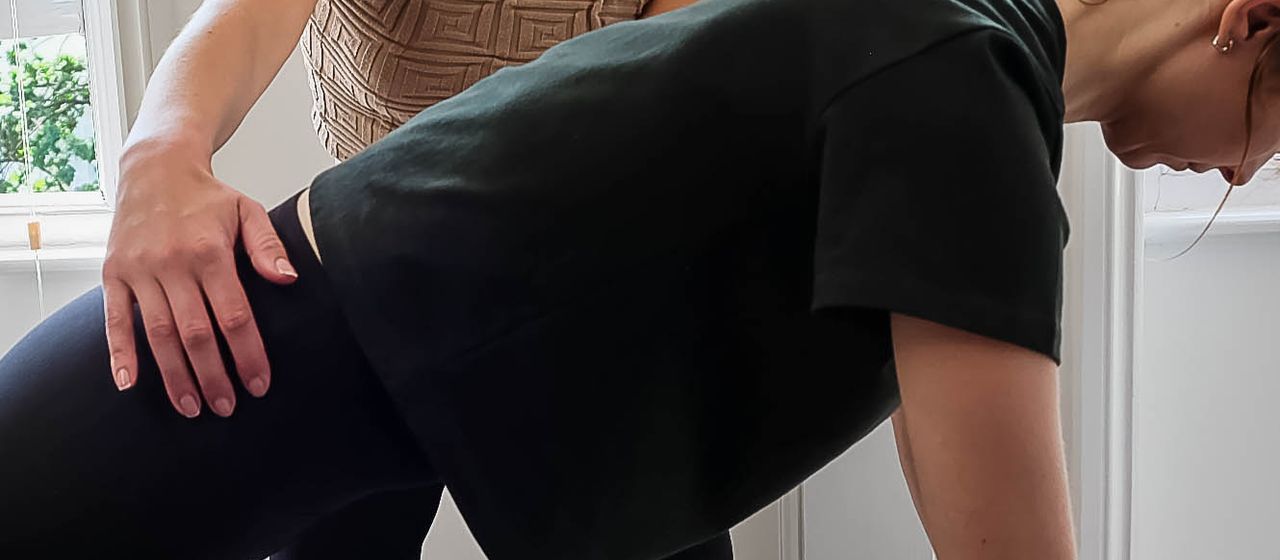
Joint mobilisation and manipulation to restore normal joint mechanics, combined with targeted soft tissue therapy and dry needling to address muscle and fascial dysfunction matched to your specific injury, not a generic protocol.

3

Sports massage

Our sports massage therapists — many with elite sport backgrounds — provide pre-event preparation, post-event recovery and specific injury treatment as part of your plan.

4

Sport-specific rehabilitation

Exercise prescription tailored to your sport, training history and goals, with modified training plans where full rest isn't necessary, and clear return-to-sport criteria when it is. Clinical Matwork and Reformer Pilates are available for core-based rehabilitation.

5

Load management & injury prevention

Most sports injuries are load management failures. We work with your training plan or coach to identify the factors that led to the injury and reduce the risk of it happening again — particularly important ahead of key events.

💡

Honest treatment planning

At your first appointment we tell you how many sessions to expect, what modified training looks like, and when you can expect to return to full training. We do not over-treat, and we will never keep you out of sport longer than necessary.

Why Bodymotion

Why City athletes choose Bodymotion for sports injuries

Our sports team treats sport-related injuries with the same seriousness our patients bring to their training. Physiotherapist Emma Young-Smith combines structured rehabilitation on our Reformer with hands-on manual therapy, progressing you through to full functional rehab — not a generic exercise sheet, but a programme built around the specific demands of your sport.

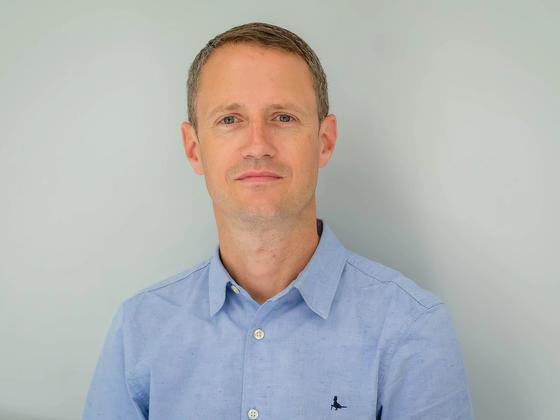
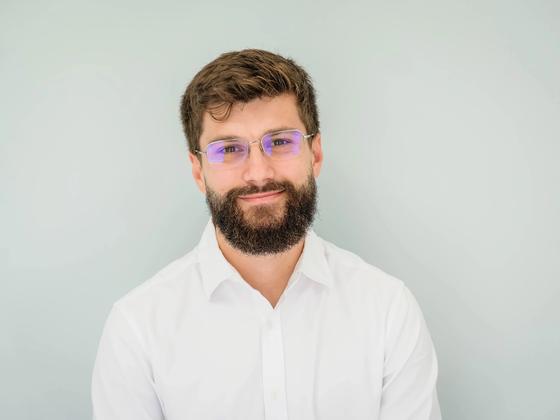
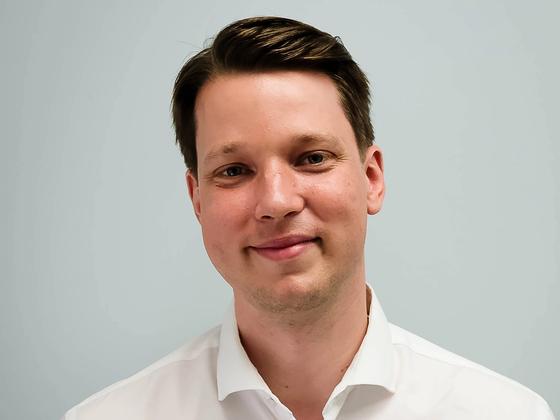
On the chiropractic side, both Lars Ipsen (MSc Clinical Biomechanics) and Ben Glenister (PG Diploma in Biomechanics) bring genuine specialist-level biomechanical assessment — understanding not just what's injured, but why it got injured — while Emma Daniells holds an International Chiropractic Sports Science Diploma. Our sports massage team includes Teo, a former competitive gymnast who understands exactly what serious training demands of the body.

Treatment is physio-led and evidence-based: biomechanical assessment and progressive loading rather than prolonged rest, with sports massage and manual therapy used where they'll speed up your recovery. That means an accurate diagnosis first, then a plan built around your training goals — not a generic protocol.

Training seriously around a full-time City job comes with real constraints — early starts, lunchtime sessions, evening training. We understand that, and we will never tell you to stop training unless it's genuinely necessary.

20Years in the City of LondonTreating City athletes at 118A London Wall since 2006
13.5Years' average clinical experienceAcross our physiotherapy, chiropractic and sports massage team
16,174+Patients treatedSports injuries, back pain and related conditions across two decades
600+Five-star reviewsAcross Google and Trustpilot

HCPC registered. Our physiotherapy team is registered with the Health and Care Professions Council, and Lars Ipsen's biomechanics training was completed alongside rheumatologists, surgeons and physiotherapists at a specialist spinal hospital in Denmark. Check the register →

Getting Here

Sports injuries near Moorgate?
We're one minute away

118A London Wall, EC2Y 5JA — one minute from Moorgate station. Open 7:30 am to 7:00 pm, Monday to Friday, to fit around even the most demanding schedule.

Getting Here — Under 10 Minutes

Opening Hours

Structured for City workers — before, during and after the working day

Monday – Friday7:30 am – 7:00 pm
Saturday & SundayClosed
Online booking24 hrs / 365 days
16,174
Patients Treated at Bodymotion Chiropractic
Back pain, neck pain, sciatica and sports injuries
600+
Reviews
5.0 on Google · 4.9 on Trustpilot
20
Years Established
118A London Wall, EC2 since 2006
13.5
Yrs Avg. Chiro Experience

Common Sports Injuries

From overuse to acute injuries

We treat the full range of musculoskeletal sports injuries. If yours isn't listed, call us — there are very few presentations we haven't seen.

ITB Syndrome

Sharp lateral knee pain common in runners and cyclists. We treat the hip abductor weakness and biomechanical factors driving it — not just the band itself.

Plantar Fasciitis

Heel and arch pain, worst first thing in the morning. Full kinetic chain assessment — foot, ankle, knee and hip — identifies the actual driver.

Runner's Knee (PFPS)

Patellofemoral pain around the kneecap, usually a tracking problem driven by hip weakness or poor foot mechanics — highly responsive to the right treatment.

Shoulder Injuries

Rotator cuff strains, impingement and instability from pressing, overhead and swimming movements. We assess the full shoulder complex, not just the painful spot.

Muscle Strains & Tears

Hamstring, calf, quad and groin strains across all sports. Accurate grading and structured return-to-sport protocols get you back at the right time — not too soon, not too late.

Achilles Tendinopathy

Chronic Achilles pain from running or cycling. Load management and progressive strengthening work with your training schedule, not against it.

Clinically reviewed by Emma Daniells BSc(Hons) MSc DC ICSSD — Co-Founder • GCC Registered • BCA Member · Bodymotion Chiropractic · Last reviewed

Types of Sports Injury

Understanding your injury

Our treatment approach will depend on the type, severity and assessment findings. Due to our City of London location, our Bodymotion Chiropractic team tend to see more overuse and recurrent or chronic injuries than acute pitch-side trauma.

Acute Traumatic Injury

A single incident — a fall, tackle, or awkward landing. Sprains, strains and muscle tears usually respond well to prompt assessment and a structured rehabilitation plan.

Overuse Injury

Builds gradually from repetitive load rather than a single event — tendinopathies, ITB syndrome, stress reactions. Requires addressing training load, not just the painful tissue.

Biomechanical Dysfunction

Pain driven by how you move rather than a specific traumatic event — muscle imbalances, poor movement patterns or technique faults that place excess load on one structure.

Recurrent / Chronic Injury

An injury that keeps returning once training resumes — usually a sign the underlying cause was never fully addressed the first time round.

When to Seek Urgent Help

When a sports injury needs urgent medical attention

The vast majority of sports injuries are straightforward musculoskeletal problems that respond well to physiotherapy and manual treatment. But a small number of presentations need urgent medical assessment rather than a clinic appointment.

At Bodymotion Chiropractic, we screen for serious pathology at every initial consultation. If we identify a red flag, we refer you immediately to the appropriate service — we do not treat when it is not appropriate to do so. If you are in any doubt, seek medical advice before booking.

If you are unsure whether your injury is appropriate for physiotherapy, sports massage or chiropractic care, call us on 020 7374 2272 and speak to one of our team before booking.

Emergency — attend A&E immediately

Visible deformity, inability to bear any weight, or loss of sensation and pulse beyond the injury site.

  • These may indicate a fracture, dislocation or compromised circulation. Do not wait. Call 999 or go to A&E immediately.

See a doctor urgently — do not wait

See your GP urgently

  • Any suspected concussion Same-day medical assessment — do not return to training or play.
  • Sudden calf swelling, redness or warmth Possible DVT, especially after a long flight. This needs prompt assessment.
  • A joint that locks or won't move properly Possible meniscal tear or loose fragment needing prompt assessment.
  • A visible gap, dent or lump in a muscle or tendon May indicate a complete rupture, such as the Achilles.
  • Fever, redness or heat around a joint Possible infection.
  • Severe, rapidly increasing pain out of proportion to the injury May be associated with numbness — possible compartment syndrome requiring emergency surgery.

Imaging & Investigations

When do you need imaging for a sports injury?

Most sports injuries don't need a scan. A thorough clinical and biomechanical assessment is usually enough to diagnose and start treating soft tissue injuries. Imaging often doesn't change the initial management plan. Where imaging is genuinely needed, we can arrange a private MRI, ultrasound or X-ray referral, typically available within the same week.

Assessment first. A skilled clinical and biomechanical assessment identifies the vast majority of sports injuries accurately without imaging — reserving scans for cases where the result will genuinely change how we treat you.

When imaging is NOT needed

✕

A typical muscle strain or sprain with no red flags

✕

Before a course of treatment has been tried

✕

Simply because pain is severe

When imaging IS indicated

✓

Any red flag symptom

✓

No meaningful improvement after 4–6 weeks of appropriate treatment

✓

A suspected stress fracture in a runner or endurance athlete

✓

Pre-surgical assessment or grading of a suspected significant ligament or tendon tear

Your Chiropractors

BCA members & GCC-registered chiropractors,
trained across multiple techniques

Every chiropractor at Bodymotion is GCC-registered and a member of the BCA, with extensive clinical experience in sports injuries. You'll see the same practitioner at every appointment — no rotating locums.

Also Treating Sports injuries

Supporting disciplines

A physiotherapist guides a patient through a strengthening exercise on a Pilates reformer
HCPC Registered

Physiotherapy & Clinical Pilates

Our HCPC-registered physiotherapist trained at Monash University in Melbourne and holds postgraduate certifications in Clinical Pilates and dry needling. She combines hands-on treatment with a personalised exercise programme, from Mat and Reformer Pilates to strength work, built around your goals. You can book with her directly, or she’ll work alongside our chiropractors when a joined-up approach suits you best.

  • Back pain, neck pain and sports injuries
  • Clinical Mat and Reformer Pilates for core strength and stability
  • Injury and functional rehabilitation
  • Return to sport programmes
  • Ongoing exercise programmes to help you stay active
About physiotherapy & clinical pilates at Bodymotion →
A sports massage therapist applies firm pressure to a patient's mid back during a massage treatment
Members of the STO & SMA

Sports Massage

Our experienced sports massage therapists work with everyone from City desk workers to marathon runners, Ironman triathletes, CrossFit athletes and rugby and football players. They take a clinical approach to easing the muscle tension that builds up from training, desk work and the daily commute. Book a session on its own, or alongside treatment with our chiropractors and physiotherapist, at a time that fits around your City workday.

  • Sports massage and deep tissue treatment
  • Myofascial release, trigger point therapy and assisted stretching
  • Easing muscle tension from training, long desk days and the commute
  • Pre-event preparation and injury risk reduction
  • Post-event massage
  • Regular maintenance sessions, with 6-for-5 packages
About sports massage at Bodymotion →

Patient Reviews

What our sports injuries patients say

Neck pain · Jack Finney
★★★★★

I booked a session with Jack Finney at Bodymotion two days after a gym injury; I had a fall while squatting 60kg and hurt my neck and back. The morning before my appointment, I was crying from the pain as it was very hard to walk. The morning after my appointment, I felt 95% better. I don't know how he did it, but he did it! Jack took the time to explain what had happened to me in a way that was easy to understand; he was kind, patient, and respectful. I appreciate that he also shared some stretches for me to do between our appointments and some exercises for me to do after our follow-up session the week after. So grateful for his help and expertise.

Rayane C. · Google Review

Sports Massage · Teodora Veverita
★★★★★

I visited Bodymotion last week for a sports massage. Teodora was absolutely fantastic. I have been marathon training and had all the usual soreness. Teodora's treatment was perfect, and extremely effective. She is clearly experienced and checked in regularly that the pressure was okay. Highly recommend.

Tom K. · Google Review

Event Preparation & Recovery
★★★★★

I can only recommend this place, especially Teodora Veverita. I was having problems with my Achilles tendon 5 weeks before a marathon and Teodora really helped me recover from it so that I could successfully complete the marathon.

Nora E. · Google Review

Sports injuries
★★★★★

Cannot recommend this place highly enough and especially Dr Jonathan Cairns. He is professional and very knowledgeable, but he never fails to make me feel comfortable. I went into Bodymotion 11 months ago fairly desperate as I had more joints not working than working and 11 months later, I may never be a gymnast, but I am functional. Instead of discouraging me from engaging in my hobbies and active lifestyle involving horse riding and polo, I was encouraged to pursue them but given exercises and stretches to do at home to strengthen certain muscles and take the strain off my joints. Similarly, I was told when I needed to rest and how to best heal from my fairly constant injuries. If you're wondering whether a chiropractor is right for you, just try it, you may not even realise how better you could be feeling!

Tatiana R. · Google Review

Individual patient experience. Timeframes and outcomes vary between patients and are not guaranteed.

Frequently Asked Questions

Sports injuries questions answered

Can a physiotherapist treat sports injuries?

Yes, physiotherapy is central to how we treat sports injuries. Our HCPC-registered physiotherapy team treats the full spectrum from acute injuries (sprains, strains, muscle tears) to overuse injuries (tendinopathies, ITB syndrome, plantar fasciitis) and the biomechanical problems that predispose athletes to injury in the first place.

How quickly can I get back to training?

Recovery time depends on the injury. In our clinical experience, most soft tissue injuries respond within 3–8 sessions. We focus on getting you back to training as quickly as safely possible, and will advise on modified training that allows you to maintain fitness while the injury heals.

Can I see someone for a sports injury today or tomorrow?

We hold priority slots every day at 118A London Wall, London EC2Y 5JA. Book online or call 020 7374 2272. Appointments run from 7:30am to 7pm Monday to Friday.

Does BUPA, AXA or Aviva cover physiotherapy for sports injuries?

Our physiotherapist is registered with BUPA, Aviva and more, and our chiropractors are registered with BUPA, AXA Health, Aviva, Cigna, Allianz and WPA. Most corporate health policies cover physiotherapy and chiropractic. We bill insurers directly — no upfront costs.

Should I rest or keep training with a sports injury?

It depends entirely on the injury. Some conditions benefit from relative rest; others are aggravated by rest and respond better to modified training. We give you a clear, specific answer at your first appointment — including exactly what to continue, modify, or avoid. We never give blanket "rest completely" advice unless it’s genuinely necessary.

What level of athlete do you treat?

Most of our sports patients are serious recreational athletes — runners training for marathons, cyclists, triathletes and gym athletes who train regularly and need expert treatment to stay in training. Whatever your level, the same thorough assessment and treatment approach applies.

Can you treat me close to a race or competition?

Yes — we regularly manage athletes in the final weeks before key events. Treatment selection is adapted to your race timeline, and we will never apply treatment that risks making things worse close to a competition — but there's usually something constructive we can do.

I've already tried physio, chiropractic or osteopathy and it hasn't helped — can you still help?

Often, yes. A number of our sports patients come to us after previous treatment elsewhere hasn’t fully resolved things — usually because the site of pain was treated without identifying why it broke down in the first place. Our biomechanical assessment looks at the movement faults, muscle imbalances and training load factors behind the injury, which can uncover something earlier treatment missed. We can't promise a different outcome in every case, but a fresh, thorough assessment is often worthwhile if you've stalled elsewhere.

Where is Bodymotion Chiropractic located?

Bodymotion Chiropractic is at 118A London Wall, London EC2Y 5JA in the City of London — one minute’s walk from Moorgate station and the Elizabeth Line. Open Monday to Friday, 7:30am to 7pm.

Injured? Get back to training fast.

Priority slots reserved daily. Open 7:30am – 7pm Monday to Friday.

Book Now 020 7374 2272Call Now