ChiropracticPhysiotherapySports MassageFind usTeamPricingContactInsuranceGift CardBook Now
Woman standing outdoors with her hands on her back suggesting lower back discomfort

Chiropractic Treatment · Low Back Pain · City of London

Lower back pain treatment in the
City of London, trusted by thousands

600+ reviews·5.0 on Google · 4.9 on Trustpilot

When lower back pain is affecting your work, your sleep, and your training...

...you need answers that fit around a busy schedule. At Bodymotion Chiropractic on London Wall, our GCC-registered chiropractors give you a thorough assessment and a clear explanation of what’s going on. You’ll leave your first visit with a structured plan built around your schedule, so you can focus on getting back to work, back to training, and back to doing what you love.

Appointments Available Today

Insurance accepted
600+reviews · 5.0 on Google · 4.9 on Trustpilot
1 min walkFrom Moorgate Tube
4Appointments Available Today
13.5Yrs Avg. Chiro Experience

About Lower Back Pain

What is lower back pain?

Lower back pain is rarely down to just one muscle or joint. For most of the City professionals we see, it builds up gradually: long hours at a desk, not moving enough during the day, the demands of training or sport, and the daily commute all add up to steady strain on your back.

It’s also the condition we know best. When we reviewed 1,460 patient intake forms from the past 6.5 years, 325 people (around 1 in 5) told us lower back pain was the main reason they came in, making it the most common condition we treat. Eighty of our Google and Trustpilot reviews mention lower back pain treatment specifically, reflecting two decades of helping people with back pain here in the City.

Back pain can feel like a dull, constant ache across your lower back or a sharp catch when you move, and there are several things that can cause it. Common culprits include irritated facet joints, disc herniation, muscle and ligament strain, sacroiliac joint problems, and the strain of sitting at a desk for long periods. That’s why a thorough assessment is the best first step, rather than resting and hoping it settles.

How chiropractic differs from physiotherapy and osteopathy

Chiropractic, physiotherapy and osteopathy are all regulated professions, and each has a slightly different emphasis. Chiropractors focus mainly on assessing and treating musculoskeletal problems, especially those involving the spine, joints and nerves. Physiotherapists tend to focus more on rehabilitation and helping you move well again. Osteopaths often take a whole-body approach. In reality, there’s a lot of overlap between them, and what matters most is the skill and experience of the person treating you. That’s why our chiropractors, physiotherapist and sports massage therapists work closely together at Bodymotion Chiropractic, so you’re always seen by the right person for what you need. And if your recovery would benefit from more than one of us, we collaborate on a joined-up plan, so everyone involved is working towards the same goal.

Reviewed by Emma Daniells BSc(Hons) MSc DC ICSSD — Co-Founder • GCC Registered • BCA Member · Last reviewed

Patient Case Study
PatientFemale, 42, marketing manager
Duration8 weeks
ConditionLower back pain
ClinicianEmma Daniells

The presenting problem

A 42-year-old marketing manager presented with a 4-month history of dull, persistent lower back pain worsening through long periods of sitting in video calls. She reported occasional discomfort into the right buttock but no symptoms below the knee, with limited benefit from over-the-counter pain relief.

Treatment approach

Spinal mobilisation and soft tissue work to address restricted movement and muscle guarding; progressive home exercise targeting hip and core strength; workstation and movement-break guidance; gradual reintroduction of running.

Week 2

Reduced morning stiffness; improved lumbar rotation

Week 4

Buttock referral fully resolved

Week 6

Returned to running without symptom flare

Week 8

Pain-free through full working day; discharged with self-management plan

Outcome

Returned to running three times per week and pain-free through a full working day for the first time in over four months. Discharged at week 8 with a workstation and movement strategy she continues to use.

⏱

Same-day and next-day appointments

We hold daily priority slots from 7:30 am to 7:00 pm, structured around the City working day.

🏥

Network of orthopaedic surgeons & specialists

Strong relationships with leading orthopaedic surgeons and sports medicine physicians. When you need a specialist, we refer quickly.

🔬

Private MRI referrals where required

If clinical assessment indicates imaging is needed, we can refer you directly for a private MRI scan, typically available within the same week.

📋

The National Institute for Health and Care Excellence (NICE guidelines NG59) says manual therapy (spinal manipulation, mobilisation or soft tissue techniques) can be considered for low back pain, with or without sciatica, as part of a treatment package that includes exercise. That’s how we work: hands-on treatment alongside a tailored exercise programme. All Bodymotion chiropractors are GCC registered and practise in line with NICE guidance.

City of London Lower Back Pain

Why City workers get lower back pain

After 20 years at 118A London Wall, we’ve seen how City working life can affect your back, and there are some patterns we see again and again. Everyone’s mix is different so understanding yours is the first step towards getting better.

The most common patterns we see in City workers

Prolonged sitting and lumbar loading

Sustained sitting compresses lumbar discs and progressively weakens the stabilising muscles of the lower back. After 12-14 hours at a desk, the lumbar spine is carrying load it was not designed to sustain. This is the most common driver of chronic lower back pain we see in City workers.

Commuting

Your commute puts uneven load on your back. Standing on one leg, twisting to hold a rail and carrying a bag on one shoulder all add up. On top of a long day at your desk, that extra strain can be enough to tip a niggle into a painful flare-up.

Stress and Pain

Trading floors, legal deadlines and deal closings all take their toll, and stress often shows up as tension in your back and neck. Ongoing stress can also make pain feel worse than the physical cause alone would suggest. Many people we see can’t point to a single thing that set their back off, and the pressure they’re under is often a big part of the picture.

Early morning gym and lower back pain

If you squeeze in deadlifts, squats or HIIT before work, timing matters. Your spinal discs absorb water overnight, which raises the pressure inside them (known as intradiscal pressure) for the first hour or so after you wake up. Loading them heavily during that window can make your back more vulnerable. We often see disc injuries in people who train hard first thing and then sit at a desk all day.

Hybrid work

On home days, you might be surprised how little you move. There’s no walk to the station, no wandering between meeting rooms, and before you know it you’ve been at your laptop since breakfast. If your desk is the kitchen table or the sofa, your back ends up sitting still for hours without the natural breaks an office day gives you.

What you can do differently

Move every 30–45 minutes

Set a timer. Stand, walk to get a coffee or water, do 10 seconds of lumbar extension. The spine needs movement to circulate nutrients to the discs. Even brief interruptions to sustained sitting materially reduce cumulative load.

Wait 60 minutes before heavy gym work

Allow your discs to partially equilibrate after sleep before loading them with heavy spinal work. If you must train early, warm up longer, reduce load in the first 20 minutes, and avoid maximal spinal flexion under load.

Centre your primary monitor

Your most-used screen should be directly in front of you at eye level. Secondary screens should be used for reference, not sustained work. If you use two screens equally, position them symmetrically.

Switch your commute bag shoulder

Consistently carrying a bag on one shoulder creates lateral trunk flexion, hip hiking and compensatory spinal curves. Alternate shoulders, or better still use a rucksack that distributes load symmetrically.

Look after yourself in busy periods

When work is at its most intense, try to keep moving, protect your sleep and take proper breaks where you can. If your back starts to niggle, it’s worth getting it checked sooner rather than later, before it has a chance to build.

Set up your home workstation properly

Your home setup matters as much as your office setup. Screen at eye level, chair supporting the lumbar curve, feet flat on the floor. A laptop on a kitchen table for 8 hours is not a neutral spine position.

Chiropractic for Lower Back Pain

What chiropractic treatment for lower back pain involves

At Bodymotion, chiropractic is our main approach to lower back pain. We start by understanding what’s contributing to your pain, then use hands-on care alongside exercise to help you move and feel better.

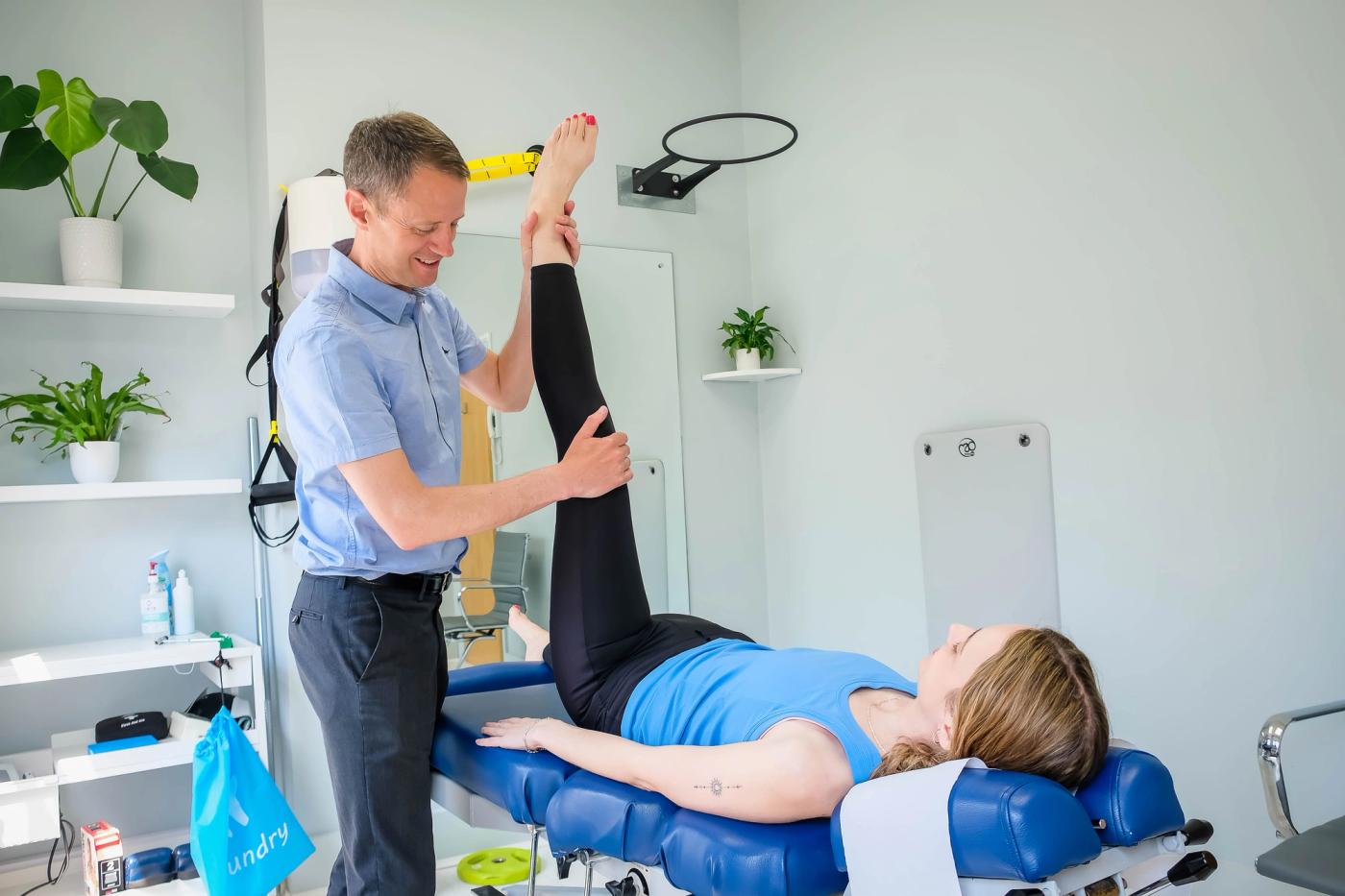
A chiropractor performing a straight leg raise test on a patient lying on a chiropractic treatment table
1

Full case history: 50 to 55 minutes

We take a thorough history of your pain, your work setup, your training and your daily loading patterns. City back pain has specific drivers and we ask the questions that matter for your presentation.

2

Examination and diagnosis

We assess spinal movement, joint function, muscle balance and neurological status where indicated. We then explain what we find including the structures most likely to be involved.

3

Treatment begins the same day

Depending on findings, this may include spinal manipulation, mobilisation, soft tissue work, dry needling, exercise or a combination. We do not charge separately for treatment at the first appointment.

4

Clear plan and realistic timeline

You leave with a clear explanation of what’s likely going on, what treatment involves, how many sessions to expect and what to do in the meantime. We address your desk setup and training load and not just the spine in isolation.

Getting Here

Lower back pain near Moorgate?
We're one minute away

118A London Wall, EC2Y 5JA — one minute from Moorgate station. Open 7:30 am to 7:00 pm, Monday to Friday, to fit around even the most demanding schedule.

Getting Here — Under 10 Minutes

Opening Hours

Structured for City workers — before, during and after the working day

Monday – Friday7:30 am – 7:00 pm
Saturday & SundayClosed
Online booking24 hrs / 365 days
16,174
Patients Treated at Bodymotion Chiropractic
Back pain, neck pain, sciatica and sports injuries
600+
Reviews
5.0 on Google · 4.9 on Trustpilot
20
Years Established
118A London Wall, EC2 since 2006
13.5
Yrs Avg. Chiro Experience

Causes of Lower Back Pain

What causes lower back pain?

A thorough assessment is the most important first step. That’s why your first appointment lasts 50 to 55 minutes, giving us time to understand and explain what’s driving your pain before treatment begins.

Facet Joint Dysfunction

The small joints linking each vertebra can become irritated and painful, causing lower back pain that is often worse with specific movements. Chiropractic assessment identifies which joints are affected, and spinal manipulation and mobilisation are commonly used to address them.

Disc related Pain

Herniated, bulging or degenerating discs cause both local lower back pain and radiating leg pain. Manual therapy, alongside exercise, is one option NICE says can be considered. When disc problems cause leg pain, this is known as sciatica.

Postural & Desk-Related Pain

Long hours at a City of London desk create sustained mechanical load on the lumbar spine. Poor workstation setup and inadequate movement throughout the day are common contributing factors, often overlapping with postural pain. Chiropractic assessment and ergonomic advice are frequently used alongside each other in these cases.

Muscle & Ligament Strain

Sudden movements or overexertion can strain the muscles and ligaments of the lower back. Chiropractic treatment, soft tissue work and guided rehabilitation are commonly used in combination for this presentation.

Lateral Canal Stenosis

Narrowing of the lateral canals through which nerve roots exit the spine puts pressure on individual nerves, causing back and leg pain. Conservative chiropractic management is one approach used alongside physiotherapy and rehabilitation for this presentation.

Sacroiliac Dysfunction

The sacroiliac joints connect the base of the spine to the pelvis. This joint can cause lower back, pelvic and buttock pain that chiropractors routinely assess

Clinically reviewed by Emma Daniells BSc(Hons) MSc DC ICSSD — Co-Founder • GCC Registered • BCA Member · Bodymotion Chiropractic · Last reviewed

When to Seek Urgent Help

When lower back pain needs urgent medical attention

Most lower back pain isn’t caused by anything serious, and many people improve with the right care, such as exercise and manual therapy. Occasionally, though, back pain can be a sign of something that needs urgent medical attention.

It’s easy to put off getting help, taking painkillers and hoping it settles, or simply pushing through. Some warning signs are also easy to dismiss as nothing. Please don’t ignore them. If you notice any of the symptoms below, seek medical advice first.

We check for these warning signs at every first appointment, and if anything needs looking at elsewhere, we’ll make sure you get to the right place quickly. If you’re unsure whether chiropractic is right for you, just call us on 020 7374 2272 and we’ll talk it through with you.

Emergency — attend A&E immediately

Signs of Cauda Equina

  • Lower back pain with numbness around your genitals, back passage or buttocks, difficulty passing urine, loss of bladder or bowel control, changes in sexual function, or numbness or weakness in both legs can be a sign of cauda equina syndrome. Go to A&E immediately or call 999.
  • Lower back pain after significant trauma Severe lower back pain following a fall from height, a road traffic accident, or significant impact requires imaging to rule out fracture before any manual treatment.

See your GP Urgently, do not wait

See your GP urgently

  • Progressive leg weakness Weakness in one leg that is steadily worsening, such as a foot that catches or drags, needs urgent assessment. If weakness affects both legs, go to A&E.
  • Unexplained weight loss with lower back pain Significant unintentional weight loss alongside lower back pain can indicate serious underlying pathology and requires investigation.
  • Fever or night sweats with lower back pain Lower back pain accompanied by fever may indicate spinal infection (discitis or epidural abscess) which requires urgent investigation and antibiotic treatment.
  • Known history of cancer New or changed lower back pain in anyone with a history of cancer should be investigated for metastatic disease before any manual treatment is undertaken.
  • Severe night pain that wakes you Mechanical lower back pain typically eases with position changes at night. Constant, severe pain that is unrelieved by any position and wakes you consistently may indicate non-mechanical pathology.

See your GP

  • Lower back pain in someone taking steroids long-term Long-term steroid use increases the risk of vertebral osteoporotic fracture. New lower back pain in this group should be investigated before manual treatment.

Recovery Timelines

How long does lower back pain
take to recover?

It’s one of the first things people ask us. The honest answer is that it depends on what’s causing your pain, and everyone recovers differently. These are general guides to how these problems often progress, not a promise of how quickly you’ll get better. At Bodymotion, your plan may combine hands-on chiropractic care with physiotherapy, Clinical Pilates and a home exercise programme. This matches NICE guidance, which recommends exercise for low back pain and says manual therapy can be considered alongside it. Staying active and following your plan can make a real difference, and we’ll give you a realistic picture at your first appointment.

Often within 6 weeks

Acute muscle strain

A sudden strain from lifting, twisting or an awkward movement. These often settle within a few weeks. Care may include soft tissue work, gentle mobilisation and advice on staying active, which usually helps more than resting.

Often 6 to 12 weeks

Acute disc related pain

Pain from a bulging or herniated disc, with or without leg symptoms. Many disc problems settle over time without surgery. Care usually centres on progressive exercise and rehabilitation, with hands-on treatment where it helps you move more comfortably.

Often shorter than the first episode

Acute Flare-ups

If you’ve had back pain before, a flare-up often settles faster than the original episode, especially if you keep up the exercises that helped last time. Ongoing Clinical Pilates or a home programme can help you stay on top of things.

Often 6 to 12 weeks

Sciatica

Nerve pain that travels into the leg. Nerves tend to settle more slowly than muscles, but most sciatica improves over weeks to months with conservative care, which may include manual therapy such as chiropractic , exercise and physiotherapy.

Varies from person to person

Chronic lower back pain

Pain that has lasted more than 12 weeks usually needs a more structured plan. NICE guidance supports combining hands-on treatment, such as spinal manipulation, mobilisation and soft tissue work, with a progressive exercise programme. Many people find chiropractic care helps them move more comfortably while they build strength and confidence through exercise. Progress tends to be steady rather than quick, and your chiropractor will review how you’re doing at each stage.

Varies with the injury

Gym-related back injury

Injuries from deadlifts, squats or HIIT are common in people who train around long desk days. Muscle strains tend to settle fairly quickly, while disc or joint injuries usually need a more gradual return to training. Our chiropractors and physiotherapist can guide that return step by step.

We will tell you at your first appointment

After examination and diagnosis, your chiropractor gives you a realistic recovery estimate — including how many sessions to expect. We do not over-treat.

Book Today

Imaging & Investigations

When do you need an MRI for lower back pain?

One of the most common questions we are asked and one where we see considerable patient confusion driven by well-meaning but inaccurate information. The short answer is that most lower back pain does not need imaging, and imaging too early can actually be counterproductive.

Studies consistently show that incidental findings on lumbar MRI such as disc bulges, minor degenerative changes, mild herniations are extremely common in people with no lower back pain at all. Over-investigation leads to unnecessary anxiety, over-medicalisation, and sometimes inappropriate treatment of findings that are not actually causing symptoms.

At Bodymotion Chiropractic, we refer for MRI when it will change clinical management. We have established relationships with imaging providers and can arrange rapid access where indicated.

NICE guideline NG59 advises that imaging should not be routinely offered in a non-specialist setting for low back pain, with or without sciatica. Scans are reserved for situations where the result is likely to change how your care is managed, such as suspected serious pathology or when a specialist opinion is being considered.

When MRI is NOT needed

✕

Acute lower back pain in the first 4–6 weeks without red flags: conservative treatment is typically the recommended first-line approach

✕

Non-specific lower back pain responding to treatment : don't image what is already improving

✕

Mild to moderate sciatica in the first 6–8 weeks: the majority resolve without surgical intervention

✕

Routine screening "to see what's going on" : findings without symptoms rarely change management

When MRI IS indicated

✓

Any red flag symptoms: weight loss, fever, night pain, cancer history, neurological deficit

✓

Sciatica with progressive motor weakness: foot drop or worsening leg strength despite treatment

✓

Lower back pain failing to improve after 6–8 weeks of appropriate treatment: to guide further management

✓

When surgical opinion is being considered: to provide the surgeon with the information needed

✓

Suspected cauda equina syndrome: immediately, via A&E

Your Chiropractors

BCA members & GCC-registered chiropractors,
trained across multiple techniques

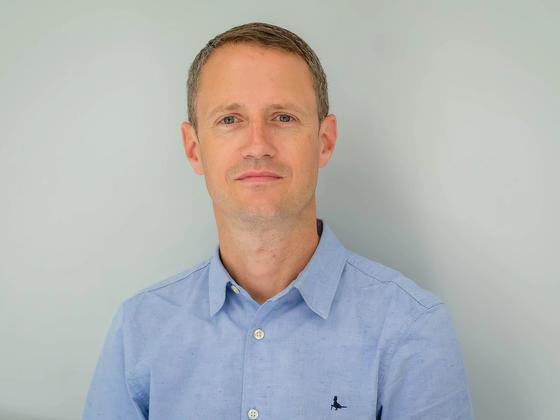
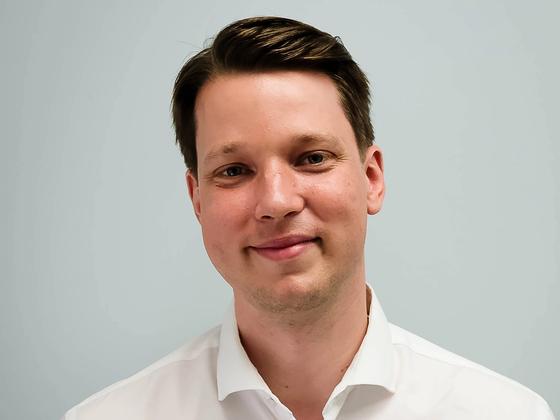
Every chiropractor at Bodymotion is GCC-registered and a member of the BCA, with extensive clinical experience in lower back pain. You'll see the same practitioner at every appointment — no rotating locums.

Also Treating Lower back pain

Supporting disciplines

A physiotherapist guides a patient through a strengthening exercise on a Pilates reformer
HCPC Registered

Physiotherapy & Clinical Pilates

Our HCPC-registered physiotherapist trained at Monash University in Melbourne and holds postgraduate certifications in Clinical Pilates and dry needling. She combines hands-on treatment with a personalised exercise programme, from Mat and Reformer Pilates to strength work, built around your goals. You can book with her directly, or she’ll work alongside our chiropractors when a joined-up approach suits you best.

  • Back pain, neck pain and sports injuries
  • Clinical Mat and Reformer Pilates for core strength and stability
  • Injury and functional rehabilitation
  • Return to sport programmes
  • Ongoing exercise programmes to help you stay active
About physiotherapy & clinical pilates at Bodymotion →
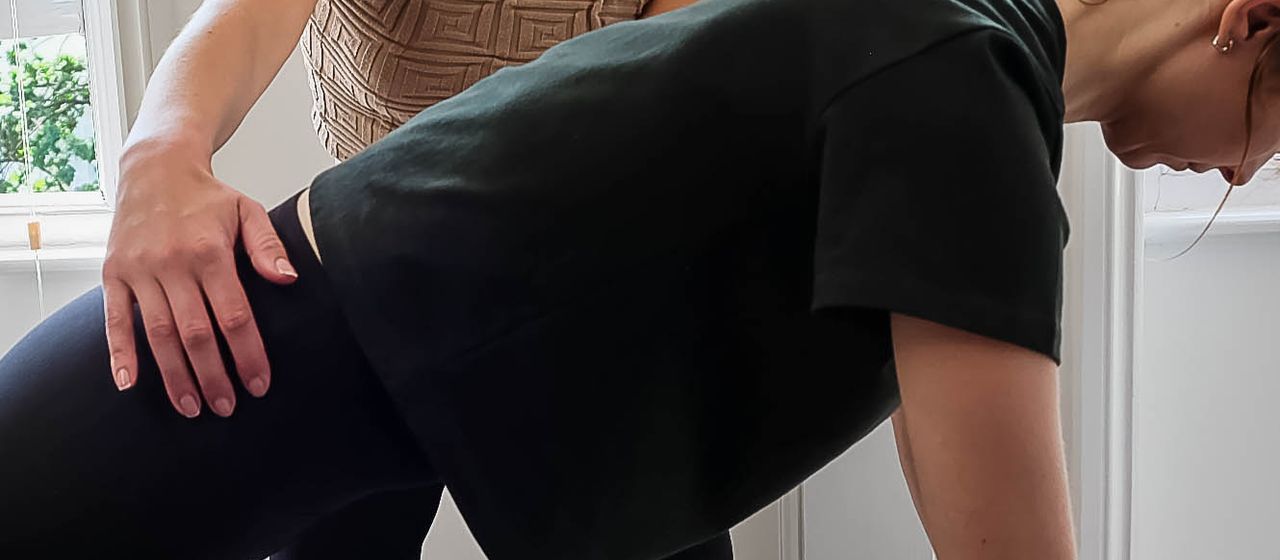
A sports massage therapist applies firm pressure to a patient's mid back during a massage treatment
Members of the STO & SMA

Sports Massage

Our experienced sports massage therapists work with everyone from City desk workers to marathon runners, Ironman triathletes, CrossFit athletes and rugby and football players. They take a clinical approach to easing the muscle tension that builds up from training, desk work and the daily commute. Book a session on its own, or alongside treatment with our chiropractors and physiotherapist, at a time that fits around your City workday.

  • Sports massage and deep tissue treatment
  • Myofascial release, trigger point therapy and assisted stretching
  • Easing muscle tension from training, long desk days and the commute
  • Pre-event preparation and injury risk reduction
  • Post-event massage
  • Regular maintenance sessions, with 6-for-5 packages
About sports massage at Bodymotion →

Patient Reviews

What our lower back pain patients say

Lower back pain
★★★★★

Been coming here for a few years now and would highly recommend Bodymotion Chiropractic. I've had recurrent neck, shoulder and lower back pain due to work and poor posture, but I always feel better after sessions. In particular, I've been seeing Lars Ipsen, who is really kind, friendly and cares about his patients' recovery. I usually feel quite nervous about neck adjustments but he is always gentle and puts me at ease. He also recommended ways to minimise my pain long-term through exercise and different stretches. Most reliable and effective clinic in London!

Su W. · Google Review

Lower back pain
★★★★★

Ben has been really helpful with my lower back issues through stretches, manual therapy, acupuncture and giving me advice on how to manage back pain at work. Would definitely recommend.

Robbie O. · Google Review

Lower back pain
★★★★★

Brilliant clinic in the heart of the city. I have used Emma for treatment of my lower back and found her to be extremely knowledgeable and very effective in easing my symptoms. I have also used the clinic for physiotherapy treatment and the physiotherapist is amazing — she kept me active whilst treating my symptoms and the exercises between appointments were spot on. You can tell everyone who works at Bodymotion Chiropractic genuinely cares and takes their time to tailor the right treatment for the patient's needs. Highly recommended.

Kathryn · Google Review

Lower back pain
★★★★★

Jack has been great for my lower back. Explains what has caused the problem, does the necessary adjustments and then gives a good rehabilitation plan with stretches and exercises. Would highly recommend!

Chris R. · Google Review

Lower back pain · Ben Glenister
★★★★★

When I saw these reviews I honestly thought they were too good to be true. After 9 months of back pain since injuring it working out last summer I felt pretty hopeless that it might never get better. In that time I got many differing diagnoses, Xrays, MRI, did 50+ hours of physio exercises, and nothing improved. After just 5 appointments in under 3 weeks with Ben, I saw significant improvements with pain, and finally felt like I had a diagnosis that was correct for what I was experiencing. Ben answered all of my questions, and has provided so much advice for how to make long-term lasting improvements to fix my problems.

Alice H. · Google Review

Back pain Emma
★★★★★

I came to Bodymotion with lower back pain so bad I could barely move. Emma fitted me in at short notice, which made all the difference. She quickly worked out what was wrong, explained everything clearly. Within just a few sessions I was completely back to normal, I am so grateful to Emma, and would highly recommend Emma’s to anyone who needs help.

Stella P · Google Review

Individual patient experience. Timeframes and outcomes vary between patients and are not guaranteed.

Frequently Asked Questions

Lower back pain questions answered

How many chiropractic sessions will I need for lower back pain?

This depends on your diagnosis, how long you have had the pain, and your individual response to treatment. Your chiropractor at Bodymotion Chiropractic will give you a clear, personalised estimate at your first appointment including how many sessions to expect and realistic milestones.

What are the risks of chiropractic treatment for lower back pain?

Chiropractic care is generally low risk. Common side effects are mild and short-lived, such as soreness or stiffness for a day or two. Serious complications are rare. Your chiropractor will discuss the risks and benefits that apply to you before any treatment. NICE guideline NG59 says manual therapy can be considered for low back pain as part of a treatment package that includes exercise. All our chiropractors are registered with the General Chiropractic Council (GCC), the UK statutory regulator.

Can I see a chiropractor for lower back pain today or tomorrow?

We hold priority slots every day at 118A London Wall, London EC2Y 5JA. Book online or call 020 7374 2272. Appointments run from 7:30am to 7pm Monday to Friday.

Should I rest or keep moving with lower back pain?

Keep moving, extended bed rest is now known to prolong recovery from lower back pain. Gentle activity and walking promotes healing. Your chiropractor will advise you on which activities to continue and which to temporarily modify based on your specific diagnosis.

Why do my lower back and hip hurt at the same time?

You are not alone. In our intake records, 43 of 325 patients with lower back pain which is about 1 in 8 also described hip pain. Pain often refers from the lower back into the hips and pelvis, particularly during the acute phase. It is also not uncommon for the hip to be the primary source of dysfunction that drives lower back pain symptoms. All of Bodymotion's chiropractors are experienced in assessing and treating this type of presentation.

Can a chiropractor help with lower back pain?

Yes. Lower back pain is one of the most common reasons City workers come to Bodymotion, and chiropractic is a recognised option for acute, chronic and general back pain. Our GCC-registered chiropractors have treated patients on London Wall since 2006. Your first 50–55 minute appointment includes a full assessment and hands-on treatment, plus advice you can use at your desk the same day.

Why do so many City office workers get lower back pain?

Long hours sitting, on laptops, hot desks and in back-to-back meetings, put sustained load on the lower back. Long commutes, business travel, stress, poor sleep and weekend bursts of exercise add to it. At Bodymotion, Ben Glenister and Lars Ipsen have a particular interest in back biomechanics and office-worker posture, and look at your working day as well as your spine.

I've put my back out at work in the City, can I be seen today?

Usually, yes. Bodymotion keeps priority appointments every weekday for new patients with acute back pain. We're at 118A London Wall, EC2Y 5JA, one minute from Moorgate, and open 7:30am to 7pm. Call 020 7374 2272 and we'll advise how quickly to come in, or book online 24/7. If you have corporate health insurance, we bill most major insurers directly.

Can I keep working at my desk with lower back pain?

Usually, yes, and staying gently active tends to help more than resting. Change position every 30 minutes, stand for calls, walk at lunchtime, and set your chair so your hips are slightly higher than your knees. If sitting is very painful, a few days working from home can help. At Bodymotion we give you specific desk and commute advice at your first visit.

When should I see a doctor about lower back pain?

Call 999 or go to A&E if back pain comes with numbness around your genitals or bottom, difficulty passing urine, loss of bladder or bowel control, or weakness in both legs, or if it follows a significant fall or accident. See your GP urgently if you also have a fever, unexplained weight loss, a history of cancer, or leg weakness that is getting progressively worse. At Bodymotion Chiropractic we screen for these warning signs at your first visit and refer you on if needed.

How much does treatment for lower back pain cost?

At Bodymotion, a first appointment for lower back pain is £99 for 50–55 minutes, including assessment and treatment on the same visit. Follow-ups are £78 for 30 minutes. How many sessions you need depends on your back, so your chiropractor will give you a plan with an estimate at your first visit, and a 6-for-5 package lowers the overall cost. Most private health insurance covers back pain treatment, and we bill six major insurers directly.

Lower back pain holding you back? See a chiropractor today.

Same-day and next-day appointments at 118A London Wall. Open 7:30am – 7pm Monday to Friday — structured around the City working day.

Book Now 020 7374 2272Call Now