ChiropracticPhysiotherapySports MassageFind usTeamPricingContactInsuranceGift CardBook Now

Soft Tissue Therapy · City of London · Moorgate

Tendon pain that flares with load.

600+ reviews·5.0 on Google · 4.9 on Trustpilot

Soft tissue therapy and graded loading — City of London.

Achilles, outer hip, elbow, shoulder — tendon pain has a recognisable pattern: worst when you start, easier once you warm up, sore for hours afterwards. It responds well to the right plan, but it responds slowly, and it needs loading rather than rest. Our therapists and clinicians build that plan around the sport or training you want to keep doing.

Appointments Available Today

600+reviews · 5.0 on Google · 4.9 on Trustpilot
1 min walkFrom Moorgate Tube
4Appointments Available Today
13.5Yrs Avg. Chiro Experience

Tendinopathy, Tendon Load & Overuse

What is tendon-related pain?

Tendon-related pain is discomfort at or near where a tendon attaches to bone — most often the Achilles, the outer hip, the elbow or the shoulder — that is provoked by load, eases with rest, and returns when the load does.

The older label "tendinitis" implied inflammation, and for persistent tendon pain that turned out to be largely the wrong model. Current understanding treats it as a load problem: the tendon has been asked to do more than it had adapted to, and the tissue has responded with changes that make it painful and less tolerant. This is why anti-inflammatory approaches alone tend to disappoint, and why complete rest usually makes the tendon weaker rather than better.

Tendons adapt, but slowly — over weeks and months rather than days. That sets the realistic timeline, and it is the single thing most people are not told early enough. Soft tissue therapy has a genuine role in managing the muscular tension around the tendon and keeping you comfortable enough to train, but progressive loading is what changes the tendon itself.

Reviewed by Emma Daniells BSc(Hons) MSc DC ICSSD — Co-Founder • GCC Registered • BCA Member · Last reviewed

City of London · Tendon Pain

The training pattern that produces it

Tendon pain concentrates in people training hard around a demanding job. The pattern is consistent: a block of consistent training, then a fortnight lost to travel or deadlines, then a full-intensity return as though nothing was missed. Tendons tolerate gradual progression well and abrupt reintroduction poorly, and it is that stop-start shape rather than the total volume that tends to provoke them.

Event deadlines compound it. Marathon and Hyrox blocks, a padel league, a return to running after years away — all create a fixed date that the training has to meet, which is exactly the situation in which load gets added faster than the tissue adapts.

Symptoms

Symptoms of tendon-related pain

  • Pain localised to one point at or near a tendon attachment, rather than spread across a muscle
  • Stiffness and pain that is worst first thing in the morning, or after sitting still
  • A warm-up pattern — eases during activity, then sore for hours afterwards
  • Pain that tracks with load: fine at low volume, provoked by hills, speed or heavier lifting
  • Clear tenderness on pressing the tendon itself
  • Thickening or swelling around the tendon in longer-standing cases
  • Reduced tolerance to the specific movement that loads it, with everything else feeling normal
  • No pins and needles, numbness or weakness — those point elsewhere
💡

Sudden onset is different

A sharp, sudden pain with an audible snap, immediate loss of function, or an inability to bear weight is not tendinopathy and needs same-day medical assessment rather than an appointment with us.

Treatment for Tendon-Related Pain

What treatment involves

Treatment has two halves that work together: hands-on soft tissue therapy to manage the surrounding muscular tension and keep you comfortable, and a graded loading programme that progressively rebuilds the tendon’s tolerance. The second half is what produces the lasting change, so the plan is built to fit around training you can realistically keep to.

1

Assessment — diagnosis and load history

Confirming that the tendon is the source rather than a nearby joint, nerve or muscle, and going back through what changed in training before the symptoms started. The load history is usually where the cause is found.

2

Soft tissue therapy around the tendon

Treatment of the muscle group feeding into the tendon, which is typically tight and overactive by this point. This reduces symptoms and improves comfort, which in turn makes the loading work possible — it is not the treatment on its own.

3

Graded loading — the part that changes the tendon

A progressive strength programme, usually beginning with slow, controlled work and building towards the demands of your sport. Some discomfort during loading is expected and acceptable; the guide is how the tendon feels the next morning.

4

Load management and return to sport

Adjusting volume, intensity, surface, footwear and frequency so you keep training rather than stopping. For most people continuing to train in a modified way produces a better outcome than resting and starting over.

5

Onward referral if progress stalls

Where a tendon is not responding over a reasonable period, or the presentation does not fit, we arrange imaging or a specialist opinion rather than continuing with the same plan.

Getting Here

Tendinopathy near Moorgate?
We're one minute away

118A London Wall, EC2Y 5JA — one minute from Moorgate station. Open 7:30 am to 7:00 pm, Monday to Friday, to fit around even the most demanding schedule.

Getting Here — Under 10 Minutes

Opening Hours

Structured for City workers — before, during and after the working day

Monday – Friday7:30 am – 7:00 pm
Saturday & SundayClosed
Online booking24 hrs / 365 days
16,174
Patients Treated at Bodymotion Chiropractic
Back pain, neck pain, sciatica and sports injuries
600+
Reviews
5.0 on Google · 4.9 on Trustpilot
20
Years Established
118A London Wall, EC2 since 2006
13.5
Yrs Avg. Chiro Experience

Causes

What provokes tendon pain?

A rapid increase in training load

The most common trigger by a wide margin. Distance, intensity, frequency or weight added faster than the tendon adapts. The increase often looks modest in isolation and only stands out when you map the whole month.

Returning at full intensity after a break

Two weeks away for travel or work, then straight back to the previous programme. Tendon tolerance drops faster than fitness feels like it does, which is why the return rather than the peak block is so often the point where symptoms start.

A change of surface, footwear or terrain

Moving to hills, track, a treadmill or new shoes alters how and where load goes through the tendon. The total volume can be unchanged and the distribution completely different.

Weakness up or down the chain

Weak glutes loading the Achilles, poor scapular control loading the shoulder. The tendon that hurts is often carrying work that something else should be doing, which is why the loading programme rarely targets only the painful spot.

Sustained compressive positions

Some tendons are irritated by compression as much as by tension — sitting with crossed legs for the outer hip, deep stretching for the Achilles. Well-intentioned stretching sometimes makes these presentations worse rather than better.

Clinically reviewed by Emma Daniells BSc(Hons) MSc DC ICSSD — Co-Founder • GCC Registered • BCA Member · Bodymotion Chiropractic · Last reviewed

⚠ EMERGENCY — ATTEND A&E IMMEDIATELY

  • A sudden snap, pop or feeling of being kicked at the back of the ankle, followed by difficulty walking or pushing off on the foot. This may be an Achilles tendon rupture.
  • A sudden snap or pop with immediate weakness elsewhere, for example being unable to bend the elbow or straighten the knee
  • A hot, red, swollen joint or tendon with fever or feeling unwell, which may be an infection
  • A visible gap, dent or bulge in the tendon or muscle after an injury

See your GP urgently

  • Tendon pain or swelling that started after taking an antibiotic such as ciprofloxacin or levofloxacin. Stop taking it and contact your GP or pharmacist straight away.
  • Tendon pain with unexplained weight loss, fever or night sweats
  • Pain and swelling in several joints or tendons at once, or with stiffness lasting over an hour in the morning
  • Tendon pain if you have diabetes, rheumatoid arthritis or gout, or take steroid tablets
  • Pain that hasn’t improved after 2–3 weeks of rest and simple treatment

Your Sports Massage Therapists

STO & SMA-registered soft tissue therapy,
tailored to your recovery in the City of London

Our sports massage therapists are members of the Sports Therapy Organisation (STO) or the Sports Massage Association (SMA), hold professional indemnity insurance and follow their association’s code of conduct. They work with marathon runners, rugby, football and basketball players, CrossFit athletes and Ironman triathletes. Many of our patients are City workers balancing a demanding job with serious training, and plenty simply come to ease the tension of long days at work.

Also Treating Tendinopathy

Supporting disciplines

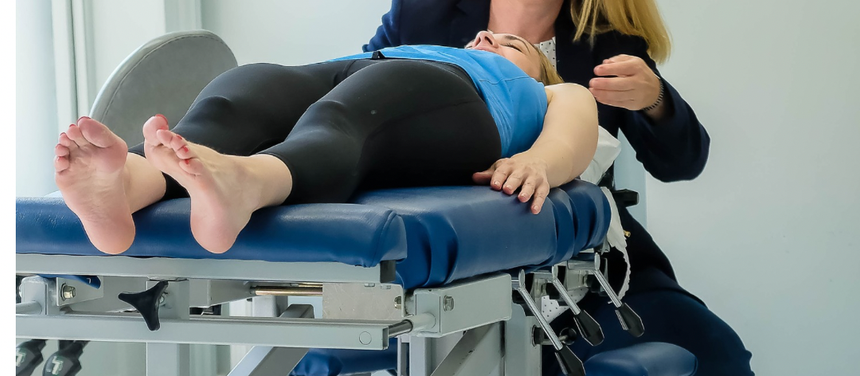
A chiropractor gently treats a patient lying on a treatment bench in a bright modern clinic
GCC Registered • Members of the BCA

Chiropractic

Our GCC-registered chiropractors bring an average of over 13 years’ experience each, with training spanning the UK and a Danish spinal hospital, postgraduate study in biomechanics and sports chiropractic, and an expert reviewer for Bupa. Your first appointment lasts 50–55 minutes, with a full assessment, a clear explanation and hands-on treatment in the same visit, at a time that fits around your City workday.

  • Back pain, neck pain, sciatica and slipped disc assessment
  • Headaches arising from the neck and desk-related neck and back pain
  • Shoulder, hip and knee pain, and minor sports injuries
  • Spinal manipulation & mobilisation, soft tissue therapy, dry needling and Graston (IASTM).
  • Rehabilitation and exercise programmes, co-managed with our physiotherapist
About chiropractic at Bodymotion →
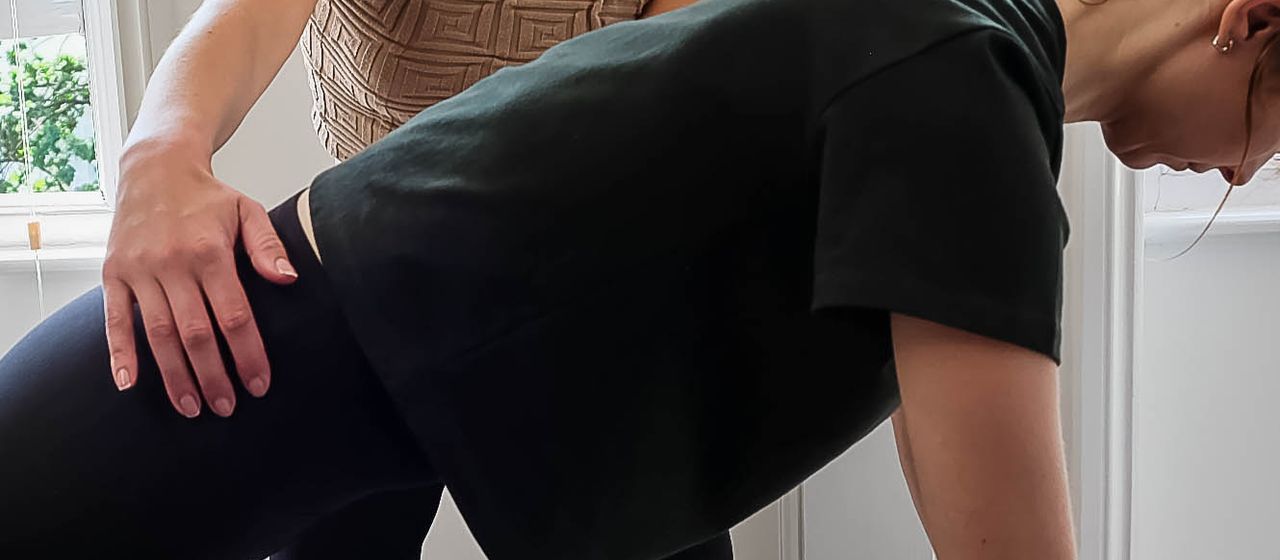
A physiotherapist guides a patient through a strengthening exercise on a Pilates reformer
HCPC Registered

Physiotherapy & Clinical Pilates

Our HCPC-registered physiotherapist trained at Monash University in Melbourne and holds postgraduate certifications in Clinical Pilates and dry needling. She combines hands-on treatment with a personalised exercise programme, from Mat and Reformer Pilates to strength work, built around your goals. You can book with her directly, or she’ll work alongside our chiropractors when a joined-up approach suits you best.

  • Back pain, neck pain and sports injuries
  • Clinical Mat and Reformer Pilates for core strength and stability
  • Injury and functional rehabilitation
  • Return to sport programmes
  • Ongoing exercise programmes to help you stay active
About physiotherapy & clinical pilates at Bodymotion →

Patient Reviews

What our tendinopathy patients say

Event Preparation & Recovery
★★★★★

I can only recommend this place, especially Teodora Veverita. I was having problems with my Achilles tendon 5 weeks before a marathon and Teodora really helped me recover from it so that I could successfully complete the marathon.

Nora E. · Google Review

Sports Massage · Teodora Veverita
★★★★★

I've had a lot of sports massages over the years but I've never had anyone so effective as Teo! Thanks to the clinic for fitting me in at such short notice and thanks to Teo for releasing that shoulder and getting me back to normal movement!

Jenny D. · Google Review

Individual patient experience. Timeframes and outcomes vary between patients and are not guaranteed.

Frequently Asked Questions

Tendinopathy questions answered

Is it tendinitis or tendinopathy?

Tendinopathy is the term now generally used for persistent, load-related tendon pain, because inflammation turned out not to be the main driver in most long-standing cases. The distinction matters practically: it is why treatment centres on graded loading rather than on rest and anti-inflammatories.

Should I rest it completely?

Usually not. Complete rest reduces pain in the short term and reduces the tendon’s tolerance at the same time, so symptoms tend to return as soon as you resume. Modified loading — less volume, less intensity, but still loading — generally produces a better outcome than stopping.

How long does tendon pain take to settle?

Longer than most people expect: typically weeks to several months, depending on which tendon, how long it has been going on, and how consistently the loading programme is followed. We would rather tell you that at the start than have you conclude after three weeks that it is not working.

Does massage fix tendon pain?

It helps, but it is not the fix on its own. Soft tissue work reduces the muscular tension around the tendon and improves comfort and range, which makes the loading programme easier to stick to. The loading is what changes the tendon’s tolerance.

Can I keep running or training?

In most cases yes, in a modified form — and that is usually the better option. What changes is volume, intensity and how often you load it hard. The practical guide is the next morning: if the tendon is no worse 24 hours later, the session was within tolerance.

Where is Bodymotion located?

118A London Wall, London EC2Y 5JA in the City of London — one minute's walk from Moorgate station (Northern, Circle, Hammersmith & City and Metropolitan lines). Open Monday to Friday, 7:30am to 7pm.

Tendon pain holding your training back?

A 50–55 minute assessment, a clear diagnosis and a treatment plan with honest expectations. 118A London Wall, one minute from Moorgate. Open 7:30am–7pm, Monday to Friday.

Book Now 020 7374 2272Call Now